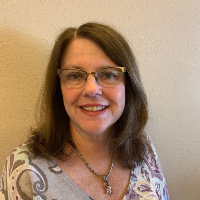
About Katherine
Dr. Katherine Walker helps people facing stress, anxiety, addiction, mood disorders, and issues around intimacy and relationships. She also supports people dealing with grief, parenting strain, career concerns, and codependency. Her approach centers on respect for each person’s strengths and the belief that real progress comes from the client’s efforts with a therapist's guidance.
She spent over 30 years working for a large health care organization as a therapist and manager. That role exposed her to a wide range of concerns, from serious mental illness such as bipolar disorder to everyday struggles like divorce and job stress. She completed undergraduate studies at the University of California, Berkeley and earned graduate training at the California School of Professional Psychology.
Dr. Walker practices with a mix of evidence-informed approaches. She draws on Attachment-Based, Client-Centered, cognitive behavioral, dialectical behavior, and psychodynamic ideas to match methods to each person’s needs. In sessions she focuses on listening, helping people notice patterns, and teaching practical skills to handle emotions and relationships.
Her work style is direct but warm. She emphasizes collaboration and practical steps clients can try between sessions. She also pays attention to life history and relationship patterns to help people understand recurring problems.
As a California psychologist she brings 32 years of experience to the work. People who want a thoughtful, steady clinician who values their effort often connect well with her approach.
How her approaches guide online care
Dr. Walker uses Attachment-Based and Client-Centered ideas along with Cognitive Behavioral Therapy to guide her work. Attachment-Based Therapy looks at how early relationships shape current patterns and helps people notice and change repeating relationship habits. Client-Centered Therapy focuses on listening carefully and following the client's concerns so sessions stay focused on what matters to the person. Cognitive Behavioral Therapy helps people identify unhelpful thoughts and try different behaviors to reduce anxiety, low mood, and impulsive reactions.Finding the right approach is collaborative. She will discuss goals, preferences, and what feels most useful, then adapt methods as work progresses. Clients and the therapist decide together which tools to try and when to shift focus.
Session formats are not specified in the biography, so please confirm current options before booking. Online therapy can make it easier to fit sessions into a busy week, allow shorter check-ins when helpful, or avoid travel time. It also lets people use therapy while managing work, caregiving, or mobility limits. Talk with the therapist during scheduling to choose an arrangement that fits daily life.
Areas of expertise
Primary focus
Also works with
Additional focus areas
Therapeutic approaches
Experience
32+ years
Credentials
California
Languages
English
Frequently asked questions
What concerns does she address?
She supports people with stress, anxiety, addictions, trauma, mood disorders, codependency, relationship and intimacy issues, grief, parenting strains, and related concerns.
How would you describe her therapeutic style?
Her style is collaborative and straightforward, combining listening with practical skills and attention to relationship patterns.
What background informs her work?
She worked over 30 years in a large health care organization as a therapist and manager and has experience across serious mental illness and life stressors.
What credentials and location are listed?
She is a CA Psychologist 15553 and practices in California.
Which languages are sessions offered in?
Sessions are offered in English.
Can people outside the United States work with her?
International clients are not currently accepted.
How is cost handled for sessions?
Cost varies with location and therapist availability and sessions use a subscription that can be canceled at any time.
What is the first step to begin?
Select the Start Therapy button, complete a short matching questionnaire, and schedule according to therapist availability.
Profile details come from information the therapist supplied to BetterHelp. Credential and registration rules differ between the United States, the United Kingdom and Australia.