- Client-centered care
- Cognitive tools
- Mindfulness skills
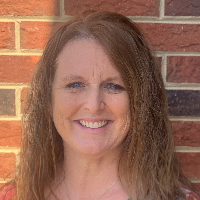
About Karina
Karina Killough is a Licensed Clinical Mental Health Counselor (LCMHC) practicing in North Carolina. She helps people facing stress, anxiety, depression, mood disorders, addiction, relationship strain, trauma, grief, body image concerns, and codependency. Her approach is warm and direct, focused on practical skills that make daily life easier.
Karina draws on nearly three decades of experience in inpatient, intensive outpatient, and outpatient settings. She has used individual and group formats and has supported people through substance-related challenges, panic and mood disorders, and intimate relationship difficulties. Her background includes a Master’s degree in Clinical/Community Psychology and 28 years of clinical work.
In sessions she uses Cognitive Behavioral Therapy alongside client-centered listening and mindfulness exercises. She aims to help people notice thoughts and patterns, try small changes, and practice new habits between sessions. Meetings are collaborative, with clear goals and step-by-step plans.
Karina emphasizes respect, empathy, and practical coping tools. She helps clients build skills for emotion regulation, communication, and relapse prevention when substance use is a concern. She also supports work on self-esteem, forgiveness, and rebuilding trust after trauma.
Starting therapy begins with a short matching questionnaire and scheduling based on therapist availability. Sessions use a subscription that can be canceled at any time, and potential clients should confirm current session options before booking.
How her approaches shape online therapy
Client-Centered Therapy emphasizes listening and understanding the person as they are. The therapist offers empathy and support while helping clients name their goals and strengths. This approach helps with low self-esteem, relationship concerns, and building motivation.Cognitive Behavioral Therapy focuses on identifying unhelpful thoughts and trying practical behavior changes. It’s useful for anxiety, depression, panic, and mood regulation by giving concrete tools to practice between sessions.
Finding the right approach is part of the work together. The therapist will collaborate with each person to choose which methods to use based on needs, goals, and preferences. That decision can change as progress is made and new priorities emerge.
If you are considering online therapy, confirm the session formats offered before booking. Online work can make it easier to fit sessions into a busy life, shorten travel time, and offer flexible scheduling around work or family tasks. Some formats can also allow for shorter check-ins when time is limited or reduce the need for video when bandwidth is low. Ask about the current options when you begin the matching process to choose what fits your routine.
Areas of expertise
Primary focus
Also works with
Additional focus areas
Therapeutic approaches
Experience
28+ years
Credentials
North Carolina
Languages
English
Frequently asked questions
What concerns does she commonly address?
She works with stress, anxiety, depression, mood disorders, addictions, relationship and intimacy issues, trauma and grief, body image and codependency among other concerns.
What is her therapeutic style?
Her style is empathetic and practical. Sessions focus on identifying patterns, setting goals, and practicing new skills between meetings.
How long has she practiced?
She brings 28 years of clinical experience in inpatient, intensive outpatient, and outpatient settings working with individuals and groups.
What are her credentials and location?
She is an LCMHC licensed in North Carolina and holds a Master’s degree in Clinical/Community Psychology.
Which languages are supported?
Sessions are offered in English and international clients are not currently accepted.
What session formats are available?
The original biography does not list specific session formats; please confirm current session options before booking.
How are fees handled?
Sessions use a subscription that can be canceled at any time and costs vary with location and therapist availability.
How do I begin working with her?
Select the Start Therapy button, complete a short matching questionnaire, and schedule according to therapist availability.
Profile details come from information the therapist supplied to BetterHelp. Credential and registration rules differ between the United States, the United Kingdom and Australia.