- Stress and anxiety
- Grief and loss
- Self esteem
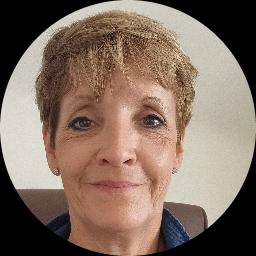
About Karen
Karen Dodd is a BACP counsellor based in the United Kingdom with six years of professional experience. She helps people manage stress, worry, relationship problems and grief. She also supports those facing job changes, cancer-related concerns, and other major life adjustments.
She has experience supporting clients through bereavement and the shock that can follow a loss. Karen has worked with people affected by cancer and with their loved ones, drawing on her volunteer work for a cancer charity. She also brings insight from years in a corporate setting to address work-related stress and redundancy worries.
Karen has supported neurodivergent clients with anxiety and offers help for issues often linked to life stages, such as the menopause. She aims to help people rebuild motivation, confidence and self-esteem after setbacks like job loss or other transitions.
Her approach is practical and person-focused. Sessions are shaped around each person’s needs and goals, with time to talk and be heard. Karen emphasises respect, sensitivity and compassion in the counselling relationship.
If you are nervous about starting therapy she acknowledges that first step takes courage. She invites people to work together to create a plan that feels manageable and relevant to everyday life.
How therapeutic approaches shape online support
Attachment-Based Therapy focuses on how early relationships affect current patterns. It helps people make sense of trust, closeness and repeated relationship cycles. Cognitive Behavioural Therapy (CBT) looks at the links between thoughts, feelings and behaviours and offers practical steps to change unhelpful patterns. Emotionally-Focused Therapy (EFT) helps people recognise and work with strong emotions to improve how they relate to themselves and others.Choosing the right approach is part of the work. Karen will listen to what matters most, discuss different ways of working, and decide together what fits a person’s needs and goals. The process is collaborative and may combine elements from different approaches as useful.
If you are considering online therapy, confirm the session formats before booking so you know what is offered. Online sessions can make it easier to fit counselling into busy lives, for example by saving travel time, allowing a shorter check-in during a work break, or letting someone avoid being on camera when they prefer not to. Registered or accredited professionals aim to tailor sessions to each person’s situation and help integrate what is discussed into everyday routines.
Areas of expertise
Primary focus
Also works with
Additional focus areas
Therapeutic approaches
Experience
6+ years
Credentials
Listed on profile
Languages
English
Frequently asked questions
What kinds of concerns does Karen support?
She works with stress, anxiety, relationship difficulties, grief, low self-esteem and depression, along with related issues such as codependency and communication problems.
What is her counselling style like?
She uses a person-centred style that focuses on the individual’s experience, alongside practical tools from cognitive behavioural approaches and emotion-focused work.
How much experience does she have?
She has six years of professional experience supporting people with work stress, bereavement, neurodiversity-related anxiety and major life changes.
What are her credentials and where is she based?
She holds BACP accreditation and practises in the United Kingdom.
Which languages are sessions offered in?
Sessions are offered in English.
Can people outside the UK work with her?
She does not accept international clients at this time.
How much do sessions cost?
Cost varies with location and therapist availability, and sessions use a subscription that can be cancelled at any time.
How do I begin if I want to work with her?
Select the Start Therapy button, complete a short matching questionnaire, and schedule according to the therapist’s availability.
Profile details come from information the therapist supplied to BetterHelp. Credential and registration rules differ between the United States, the United Kingdom and Australia.