- Goal focused
- Skill building
- Warm listening
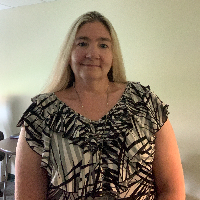
About Julie
Julie Fahlmann is a Licensed Clinical Social Worker (LCSW) based in New York who supports people dealing with stress, anxiety, addiction, trauma, parenting strain, depression, relationship worries, grief, low self-esteem, bipolar mood concerns, ADHD, and codependency. She greets new clients with a straightforward, respectful approach and helps them set clear goals for therapy. Julie focuses on building trust so people feel comfortable talking about hard things.
Julie uses practical, action-focused techniques alongside gentler, insight-oriented work. Sessions often include skills practice, problem-solving, and checking how changes fit into everyday life. She blends client-centered listening with evidence-based tools from cognitive behavioral and dialectical behavior approaches, and uses motivational interviewing and solution-focused strategies when useful.
Her background includes a BA in psychology with a focus in forensic psychology and a Master of Social Work earned in 2004 from the University at Albany School of Social Welfare. She holds the LCSW credential in New York. Prior roles have included emergency room psychiatric social work, outpatient therapy, probation work, addiction counseling, behavior support for developmental disabilities, medical social work in homecare, school social work, and work in a county correctional facility.
Julie describes therapy as a joint process. She helps people identify patterns, try small changes, and track what helps. Sessions aim to connect daily challenges to long-term goals and build practical coping skills.
She typically keeps an evening schedule but can sometimes offer alternative times when needed. People are encouraged to review options and choose a time that fits their routine.
How Julie Uses Therapy Approaches Online
Client-centered work focuses on listening and understanding each person's priorities. It helps people feel heard and shapes the goals they want to reach in therapy. Cognitive Behavioral Therapy (CBT) looks at patterns of thought and behavior and teaches practical skills to change unhelpful habits and manage mood or anxiety symptoms. Dialectical Behavior Therapy (DBT) offers techniques for emotional regulation, distress tolerance, and clearer communication when emotions feel overwhelming.Choosing the right approach is a collaborative process. The therapist will talk with the client about current struggles, goals, and preferences and then try methods that seem most useful. Techniques can be adjusted as progress is made so sessions stay focused on what the person needs.
Specific session formats are not stated in the provided profile, so confirm available options before booking. Online therapy can make it easier to fit appointments into a busy life, reduce travel time, and allow shorter check-ins when a full in-person session is hard to schedule. It also makes it simpler to access a licensed professional from your home or workplace when timing matters. Ask about session length and scheduling choices when you book to find what fits your routine.
Areas of expertise
Primary focus
Also works with
Additional focus areas
Therapeutic approaches
Experience
3+ years
Credentials
New York
Languages
English
Frequently asked questions
What concerns does Julie commonly address?
She works with stress, anxiety, addictions, trauma and abuse, parenting challenges, depression, relationship and family issues, grief, low self-esteem, bipolar concerns, ADHD, and codependency.
What is her therapy style and approach?
Her style blends client-centered listening with practical tools. She uses cognitive and behavioral strategies, dialectical skills, motivational interviewing, and solution-focused techniques as appropriate.
How much clinical experience does she have?
She has three years of the experience noted in this profile as a licensed clinician and a longer professional background working across many mental health settings earlier in her career.
What credentials and region are listed?
She is an LCSW licensed in New York and practices from that state.
Which languages are supported and are international clients accepted?
Sessions are offered in English and international clients are not currently accepted.
What session formats are available?
The original profile does not specify session formats here, so please confirm current session options with the service before booking.
How does payment and cost work?
Cost varies with location and therapist availability; sessions use a subscription that can be canceled at any time.
How do I begin if I want to work together?
Select the Start Therapy button, complete a short matching questionnaire, and schedule according to the therapist's availability.
Profile details come from information the therapist supplied to BetterHelp. Credential and registration rules differ between the United States, the United Kingdom and Australia.