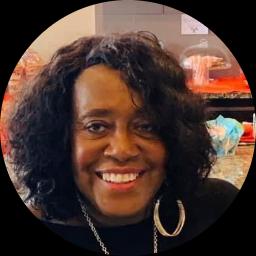
- 30 years experience
- Family and relationship focus
- Practical coping skills
About Joyce
Joyce Tanner is a Licensed Clinical Social Worker (LCSW) with three decades of practice. She brings a calm, practical manner to sessions and listens for what matters most. Joyce offers support for stress, anxiety, grief, career concerns, depression, and family issues, including codependency and blended family challenges.
She trained at the University of Wisconsin Milwaukee and holds a Bachelor of Arts from Huston-Tillotson University. Over 30 years she has worked in multiple states and has experience with foster and adoptive family assessment and supporting people through major life transitions. Her background includes work with military-connected programs and with people facing crisis and loss.
In the room she focuses on concrete steps people can try between sessions. She helps people set goals, notice strengths, and build routines that ease day-to-day strain. She uses evidence-based therapeutic techniques tailored to each person’s needs and pace.
Joyce pays attention to how family patterns affect current relationships. She helps parents and partners improve communication, resolve conflict, and manage blended family dynamics. She also supports people coping with illness, aging concerns, and life-stage changes.
Clients can expect straightforward conversation, guidance on practical coping skills, and encouragement to use their own resources. Joyce values resilience and aims to help people identify what is working and where change feels possible.
How evidence-based techniques guide online care
Joyce uses evidence-based therapeutic techniques to create practical plans for everyday life. One approach focuses on clear goal setting and behavior change, helping people break large problems into small, manageable steps and track progress. Another approach centers on grief and loss work, using guided conversation and reflective exercises to make meaning and find ways to carry on after change.Finding the right approach is a collaborative process. Joyce works with each person to identify goals, preferences, and what feels most helpful. Together they try methods, review what helps, and adjust the plan so it fits the client’s needs and rhythm.
If you are considering online sessions, confirm the current session options before booking. Online work can make it easier to fit therapy into a busy life, reduce travel time, and allow check-ins during breaks or between commitments. It can also let someone choose a shorter or quieter way to connect when that helps them engage. Joyce and other licensed professionals can discuss which approach and scheduling pattern will best support your goals.
Areas of expertise
Primary focus
Additional focus areas
Experience
30+ years
Credentials
California
Languages
English
Frequently asked questions
What concerns does Joyce commonly address?
She supports people facing stress, anxiety, grief, career and depression issues, and family-related problems such as codependency and blended family challenges.
What is her therapy style like?
Sessions are conversational and goal-oriented with an emphasis on practical steps and skill building that clients can use between meetings.
How long has she been practicing?
She has worked in clinical and consulting roles for 30 years across multiple states and in programs serving military-connected populations.
What are her credentials and where is she located?
She is a Licensed Clinical Social Worker, LCSW, practicing in California.
Which languages are supported in sessions?
Sessions are offered in English.
Can people outside the U.S. work with her?
She is not currently accepting international clients.
How does payment work and what does it cost?
Costs vary with location and therapist availability; sessions use a subscription that can be canceled at any time.
How do I begin working with Joyce?
Select the Start Therapy button, complete a short matching questionnaire, and schedule according to therapist availability.
Profile details come from information the therapist supplied to BetterHelp. Credential and registration rules differ between the United States, the United Kingdom and Australia.