- Practical coping skills
- Trauma-informed approach
- Evidence-based tools
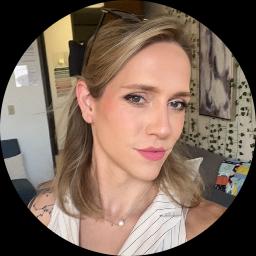
About Joshua
Joshua Barlow is an LPC (Licensed Professional Counselor) based in Colorado who focuses on helping people build usable coping skills. She emphasizes practical steps that fit into daily life and supports clients as they untangle identity from past hurt. Her work centers on increasing self-compassion and reducing the grip of shame and isolation.
She brings experience from clinical leadership at a residential eating disorder treatment setting. That background shaped her focus on skills that are grounded in how the brain processes emotions and coping. She values straightforward tools people can use between sessions.
Her approach blends a trauma-informed humanistic foundation with a mix of evidence-based techniques. Examples include skills drawn from cognitive and behavioral methods, mindfulness, and somatic practices to address emotions held in the body. She also integrates perspectives that consider power and oppression in people’s lives.
Joshua supports people dealing with stress, anxiety, depression, trauma and abuse, eating and food-related issues, and LGBT-related concerns. She also works with issues such as abandonment, attachment concerns, body image, codependency, and dissociation among other focuses.
Therapy sessions aim to be collaborative and curious. The goal is to help people rewire unhelpful patterns and develop coping strategies that make day-to-day life easier. She encourages open conversations about difficult topics while maintaining a respectful therapeutic space.
How therapeutic approaches guide online work
Joshua describes her practice as grounded in a trauma-informed humanistic foundation paired with evidence-based techniques. Cognitive-behavioral approaches focus on identifying unhelpful thoughts and testing them with new behaviors, which can reduce anxiety and depressive patterns. Mindfulness and somatic-based methods teach simple body- and breath-centered skills to notice emotions, reduce overwhelm, and return attention to the present moment.Finding the right mix of techniques is part of the work. She collaborates with each person to choose tools that match their goals, preferences, and daily life. That collaborative process helps shape session plans and homework so the approach feels useful and realistic.
Details about exact online session formats were not specified, so please confirm current options before booking. Online therapy can make it easier to fit appointments into a busy schedule, reduce travel time, and allow for shorter check-ins when needed. Working with a licensed professional remotely still centers on building skills, tracking progress, and adjusting strategies to better manage stress, trauma-related symptoms, eating concerns, codependency, and related issues.
Areas of expertise
Primary focus
Additional focus areas
Experience
4+ years
Credentials
Colorado, Texas
Languages
English
Frequently asked questions
What kinds of problems does she help with?
She supports people facing stress, anxiety, depression, trauma and abuse, eating and food-related issues, and LGBT concerns. Additional focuses include codependency, attachment and body image issues.
What is the therapy style like?
The style is trauma-informed and humanistic with practical skill-building. Sessions mix conversation with concrete exercises people can use between visits.
How much clinical experience does the therapist have?
She has four years of clinical experience and has worked in leadership at a residential eating disorder treatment program.
What are her credentials and location?
She holds the LPC credential and is licensed in Colorado as CO LPC and TX LPC. Her practice is based in Colorado.
Which languages are supported for sessions?
Sessions are offered in English.
Can people outside the United States work with her?
She does not accept international clients at this time.
How are fees and payment handled?
Cost varies with location and therapist availability; sessions use a subscription that can be canceled at any time.
What are the first steps to begin therapy?
Use the Start Therapy button, complete a short matching questionnaire, and then schedule according to therapist availability.
Profile details come from information the therapist supplied to BetterHelp. Credential and registration rules differ between the United States, the United Kingdom and Australia.