- Person-centered approach
- Skill building focus
- Calm direct style
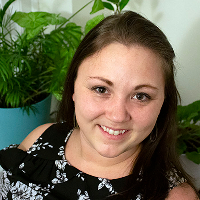
About Jennifer
Jennifer Kordell is a licensed independent clinical social worker (LICSW) who brings a warm, down-to-earth approach to sessions. She uses a person-centered style and starts by meeting people where they are. Conversations are paced to each person's comfort and goals. Jennifer aims to help people feel heard and to build on strengths they already have.
She blends client-centered work with practical techniques from cognitive behavioral therapy and dialectical behavior therapy when helpful. That can mean naming patterns, testing small behavior changes, and building coping skills for stress, anxiety, or mood concerns. Mindfulness and motivational interviewing are also used to clarify values and sustain change.
Jennifer has three years of experience as a clinician and holds a Master's degree in social work from the University of Wisconsin-Madison. Her practice includes supporting people dealing with grief, caregiving strain, compassion fatigue, and life transitions. She also works with issues such as body image, codependency, and difficulties around self-esteem and relationships.
Sessions are delivered in a casual, direct, and patient style that aims to make difficult topics easier to talk about. Jennifer often focuses on practical tools people can use between meetings, along with building awareness of patterns that sustain distress. She works with people across a range of cultural backgrounds and values ongoing learning from each person she meets.
If someone wants to begin, the process starts with a short matching questionnaire and scheduling through the site. The therapist emphasizes collaboration and moves at each person's pace while supporting clearer goals and small, achievable steps.
How therapeutic approaches shape online care
Client-centered therapy focuses on the person’s priorities and comfort. The therapist follows the lead of the person in session and supports goals at a manageable pace. This style is helpful for people who need a trusting, nonjudgmental space to start.Cognitive behavioral therapy (CBT) breaks problems into thoughts, feelings, and actions. It offers clear strategies for anxiety, depression, and stress by testing small behavior changes and shifting unhelpful thinking. Dialectical behavior therapy (DBT) adds short-term skills for managing intense emotions and improving coping in stressful moments.
Finding the right approach is a collaborative process. The therapist will discuss goals, try different techniques, and adjust methods based on what helps most. Clients shape the plan and move at a pace that feels right for them.
For practical matters, confirm the therapist’s current online session options before booking, since formats are set by the clinician. Online work can make it easier to fit appointments into a weekday evening, cut down on travel time, or choose a shorter check-in when schedules are tight. It also lets people use tools and worksheets between sessions to build skills in daily life.
Areas of expertise
Also works with
Additional focus areas
Therapeutic approaches
Experience
3+ years
Credentials
Minnesota
Languages
English
Frequently asked questions
What kinds of concerns does this therapist address?
Jennifer supports people with stress, anxiety, depression, grief, and coping with life changes. She also focuses on relationship struggles, compassion fatigue, and issues like codependency and body image.
How would you describe the therapeutic style and approach?
The approach is primarily client-centered, meaning the person’s priorities lead the work. Jennifer also uses techniques from CBT, DBT, mindfulness, and motivational interviewing to teach skills and explore patterns.
What background and experience does the therapist have?
She holds a Master’s degree in social work from the University of Wisconsin-Madison and has three years of clinical experience. Her practice has included supporting people with depression and anxiety and working across diverse cultural backgrounds.
What credentials and location should I know about?
The clinician is a licensed independent clinical social worker, MN LICSW, practicing from Minnesota.
Are sessions offered in other languages or internationally?
Sessions are offered in English. International clients are not accepted at this time.
What session formats are available?
The original profile mentions comfort with live chat, video, and phone calls. Confirm the current session options before booking to match your preference.
How does payment and cost work for sessions?
Cost varies with location and therapist availability, and sessions use a subscription that can be canceled at any time.
What steps do I take to begin working together?
Start by selecting the Start Therapy button, complete a short matching questionnaire, and then schedule according to the therapist’s availability.
Profile details come from information the therapist supplied to BetterHelp. Credential and registration rules differ between the United States, the United Kingdom and Australia.