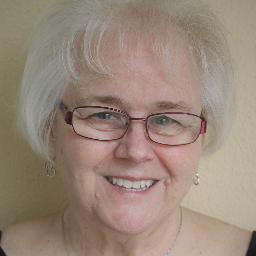
- 34 years experience
- Florida LMHC
- Relationship focus
About Frances
Frances "Tansie" Walker is a Florida licensed mental health counselor with over three decades of experience. She brings steady, practical support when life feels overwhelming. Tansie focuses on restoring hope and helping people move forward from painful events.
She creates a calm, respectful space where people can speak honestly about their struggles. Sessions are collaborative - the client and therapist set goals together and work toward outcomes that matter in daily life. The practice blends counseling, coaching, and life experience to address emotional, relational, and spiritual needs.
Tansie helps with stress, anxiety, depression, grief, trauma, and addiction concerns. She also supports people facing relationship difficulties such as communication problems, infidelity, jealousy, blended family issues, and codependency. Career strain, self-esteem concerns, and coping with life changes are within her focus as well.
Her approach draws on attachment-based work, client-centered principles, cognitive behavioral techniques, emotionally focused interventions, and existential ideas. In practice this means talking through patterns, trying new ways of relating, and developing concrete steps to change behavior and mood.
She describes her style as caring and straightforward, and she includes a Christian perspective while honoring each person's values. Prospective clients in Florida who prefer English-language sessions can expect practical guidance, clear goals, and attention to the whole person.
How therapeutic approaches shape online work
Attachment-based work focuses on how past relationships shape current bonds and trust. This approach helps people who struggle with abandonment, attachment issues, or repeating unhealthy patterns in close relationships.Client-centered therapy centers the person's experience and promotes self-directed growth. The therapist listens without judgment and helps clients find their own solutions to problems like low self-esteem or life changes.
Finding the right approach is part of the process. The therapist will talk with each person about needs, goals, and preferences, and then recommend ways of working together. This is a collaborative decision and may change over time as goals evolve.
Session formats are not specified in the biography, so confirm current options before booking. Online sessions can make it easier to fit therapy into a busy schedule, allow shorter check-ins when needed, and reduce travel time. Licensed professionals can use online visits to practice communication skills, try behavioral experiments, and support coping strategies in real-life contexts.
Areas of expertise
Primary focus
Also works with
Additional focus areas
Therapeutic approaches
Experience
34+ years
Credentials
Florida
Languages
English
Frequently asked questions
What concerns does she help with?
She helps people with stress, anxiety, depression, grief, trauma, and addictions, plus relationship and intimacy issues such as communication problems, infidelity, and codependency.
What is her therapeutic style like?
Her style is caring and straightforward. She blends counseling and coaching to set clear goals and work on practical steps between sessions.
How long has she been practicing?
She has 34 years of experience working in counseling and higher education settings.
What credentials and location are listed?
She holds the LMHC credential and practices in Florida.
Which languages are supported for sessions?
Sessions are offered in English.
Can people outside the United States work with her?
She is not accepting international clients at this time.
How are fees and payment handled?
Cost varies with location and therapist availability; sessions use a subscription that can be canceled at any time.
What should I do to begin therapy?
Select the Start Therapy button, complete a short matching questionnaire, and schedule according to therapist availability.
Profile details come from information the therapist supplied to BetterHelp. Credential and registration rules differ between the United States, the United Kingdom and Australia.