- Clear practical steps
- Focus on relationships
- Workable coping skills
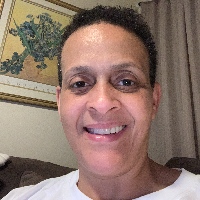
About Eugenia
Eugenia Davis is a Licensed Clinical Mental Health Counselor (LCMHC) with more than two decades in mental health and substance use work. She earned a Master of Science in Mental Health Counseling in 1999 and brings long experience supporting people through states of crisis and steady change. Her background includes work across a wide range of concerns, including codependency, addictions, mood disorders, and trauma-related issues.
She writes plainly about therapy as a process. Sessions focus on talking through current problems, testing new ways of seeing things, and practicing small changes. She expects clients to bring their own goals and strengths, and she offers an objective viewpoint to help expand perspective.
In practice she draws on client-centered methods to prioritize the person's experience, cognitive behavioral techniques to change unhelpful patterns, and emotionally focused ideas to strengthen how people understand and express feelings. Mindfulness and motivational interviewing are also part of her toolbox when they fit a person's needs.
Eugenia has worked in many settings over 22 years, including with people facing chronic mental illness, substance use challenges, and those involved with foster care and the justice system. That breadth gives her experience with complex, overlapping problems and with clients at very different life stages.
People who tend to do well with her approach want practical steps and clear feedback. She supports clients who want to manage stress, address relationship or intimacy concerns, work on addictive behaviors, or cope with grief and big life changes. Her style is direct, steady, and focused on helping people find workable next steps.
How her approaches translate to online work
Client-Centered Therapy focuses on the person's experience. The therapist listens closely and follows what matters most to the client, helping them feel understood and heard. This approach supports work on relationships, self-esteem, and codependency by centering the client's priorities.Cognitive Behavioral Therapy (CBT) looks at the links between thoughts, feelings, and actions. It uses simple experiments and practical exercises to change unhelpful patterns, which can help with anxiety, depression, and addictions. Emotionally-Focused Therapy (EFT) helps people identify and work through core emotions and attachment needs, which can be useful for intimacy and relationship concerns.
Finding the right approach is part of the process. The therapist will discuss goals and preferences and pick or combine methods that fit the person's needs. This is collaborative work with adjustments made as progress is tracked.
For online therapy logistics, confirm which session formats are offered before scheduling since the biography does not list specific options. Online work can make it easier to fit sessions into a busy week, reduce travel time, and allow shorter check-ins when needed. It can also let people use tools like written exercises and structured homework between meetings to reinforce change.
Areas of expertise
Primary focus
Also works with
Additional focus areas
Therapeutic approaches
Experience
22+ years
Credentials
North Carolina
Languages
English
Frequently asked questions
What kinds of concerns does she help with?
She helps people address stress, anxiety, addictions, depression, relationship and intimacy issues, grief, trauma, codependency, and related concerns.
What is her general therapy style?
Sessions are conversational and goal-focused. She offers direct feedback, helps people test new perspectives, and works on practical coping skills.
How much experience does she have?
She has 22 years of experience working in mental health and substance use settings, with a history across clinical and community environments.
What credentials and region does she work from?
She is a Licensed Clinical Mental Health Counselor (LCMHC) licensed in North Carolina.
Which languages and international options are supported?
Sessions are offered in English, and she accepts international clients.
What session formats are available?
The original biography does not list specific session formats; confirm current session options with the service before booking.
How are costs and billing handled?
Cost varies by location and therapist availability; sessions use a subscription that can be canceled at any time.
How do I begin working with her?
Use the Start Therapy button, complete a short matching questionnaire, and schedule according to the therapist's availability.
Profile details come from information the therapist supplied to BetterHelp. Credential and registration rules differ between the United States, the United Kingdom and Australia.