- Client-centered approach
- Practical skill building
- Goal-focused work
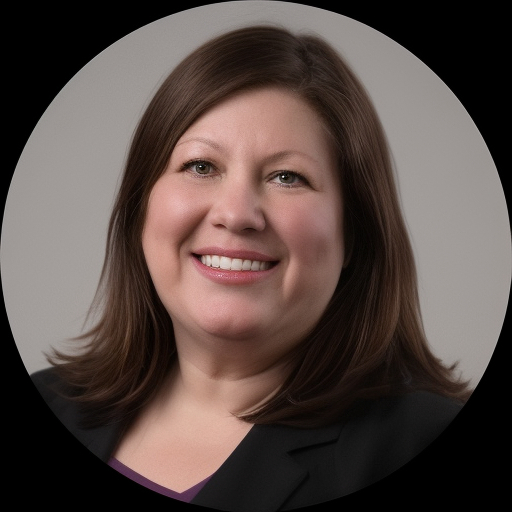
About Erica
Erica Lackey is a Licensed Professional Counselor (LPC) in Texas with four years of post-licensure experience. She greets people who are worried about stress, anxiety, depression, parenting concerns, relationship struggles, grief, or life changes and helps them take the first steps forward. Erica writes plainly and listens closely so clients feel heard during early conversations.
Before becoming an LPC, Erica spent nine years as a school counselor. That background shaped her practical focus on problem solving and clear communication. She has worked with a broad mix of concerns including trauma and abuse, ADHD, caregiving stress, and issues tied to attachment and family dynamics.
In session she aims to build an open, nonjudgmental space for talking through what matters most. She tailors conversations and treatment plans to each person’s needs rather than using one set approach for everyone. Erica combines client-centered care with tools from cognitive behavioral and solution-focused methods to address thoughts, behaviors, and immediate goals.
Erica emphasizes small, achievable steps. That can mean learning coping skills for anxiety, practicing new ways to communicate, or setting short-term goals for better daily routines. She supports people who want help making sense of past hurts and moving toward healthier patterns.
Erica welcomes questions about how therapy might fit into daily life and encourages people to take the matching questionnaire to begin. She works in Texas and conducts sessions in English.
How these approaches guide online work
Client-Centered Therapy focuses on listening closely and following the person's pace. The therapist offers empathy and reflection to help people name what matters and decide steps to take. Cognitive Behavioral Therapy, or CBT, looks at how thoughts and actions keep problems going and teaches practical skills to change them, often useful for anxiety and depression. Solution-Focused Therapy concentrates on small, concrete goals and what works now, which can be helpful for people seeking quick, actionable change.Finding the right mix of approaches is part of the work. The therapist will collaborate with each person to choose techniques that match their needs, goals, and preferences. That means checking in, trying methods, and adjusting the plan together rather than following a fixed script.
Confirm current session options before booking, because formats are not specified here. Online therapy can make it easier to fit sessions into a busy week, reduce travel time, and allow shorter check-ins when schedules are tight. It also makes it possible to use worksheets, behavioral experiments, or skill practice between meetings to support steady progress.
Areas of expertise
Primary focus
Also works with
Additional focus areas
Therapeutic approaches
Experience
4+ years
Credentials
Texas
Languages
English
Frequently asked questions
What kinds of problems can Erica help with?
She works with stress, anxiety, depression, parenting and relationship concerns, trauma and abuse, grief, ADHD, and other life changes like career shifts or separation.
How would a typical session feel?
Sessions focus on open conversation where thoughts and feelings are heard without judgment, paired with practical tools and short-term goals to address immediate struggles.
What is Erica's professional background?
Erica is a Licensed Professional Counselor (LPC) with four years as an LPC and nine years of prior experience as a school counselor.
Where is Erica licensed and located?
She holds a Texas LPC and practices in Texas.
Which languages are used in sessions?
Sessions are offered in English only.
What session formats are available?
Please confirm current session format options before booking, as formats are not specified here.
How does pricing work?
Cost varies with location and therapist availability; sessions use a subscription that can be canceled at any time.
How do I begin working with Erica?
Select the Start Therapy button, complete a short matching questionnaire, and then schedule according to the therapist's availability.
Profile details come from information the therapist supplied to BetterHelp. Credential and registration rules differ between the United States, the United Kingdom and Australia.