- Relationship support
- Trauma informed care
- Mindfulness and skills
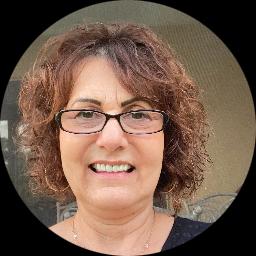
About Elizabeth
Elizabeth Toback is a licensed mental health counselor who centers therapy on the person's own experience and strengths. She is an LMHC licensed in Florida and brings decades of experience to conversations about relationships, trauma, intimacy, sleep problems, depression, and related concerns.
She believes people know their story and already carry resources for change. Sessions focus on building on those strengths and naming what gets in the way. That approach is practical and straightforward, with the therapist offering guidance while keeping the client's voice central.
Over 38 years of work, she has helped people address stress, anxiety, addictions, and grief. She also supports those dealing with body image, eating concerns, caregiver strain, chronic illness or pain, and attachment or abandonment issues. Codependency and communication struggles are part of the concerns she sees as well.
Her work draws on a mix of client-centered methods, cognitive behavioral strategies, dialectical behavior techniques, emotionally focused ideas, and mindfulness practices. These tools are used to reduce unhelpful patterns, improve coping skills, and strengthen emotional awareness.
Sessions are offered in English and provided from Florida. Elizabeth frames therapy as a collaborative process where small changes can shift relationships and daily routines. She invites people who are ready to take a first step to reach out and explore what the work might look like for them.
Approaches that translate to online support
Client-centered therapy focuses on listening, reflecting, and helping people name their goals and strengths. It helps when someone wants a respectful, steady space to sort through their story and decide next steps.Cognitive Behavioral Therapy (CBT) looks at the links between thoughts, feelings, and actions and teaches practical skills to change unhelpful patterns. It is useful for depression, anxiety, sleep problems, and managing stressful situations.
Dialectical Behavior Therapy (DBT) offers specific skills for managing intense emotions, improving relationships, and tolerating distress. People often use DBT tools when emotional regulation and communication are goals.
Finding the right approach is part of the work. The therapist will collaborate with each person to choose methods that fit their needs, goals, and comfort level. That decision is revisited as therapy progresses so the plan stays useful and relevant.
Practical benefits of online therapy include easier scheduling around work or caregiving and the ability to have regular check-ins without travel. Because the biography does not list specific session formats, confirm current session options before booking. Discuss scheduling, length, and what will make sessions fit into daily life during the first match and planning call.
Areas of expertise
Primary focus
Also works with
Additional focus areas
Therapeutic approaches
Experience
38+ years
Credentials
Florida
Languages
English
Frequently asked questions
What concerns does Elizabeth commonly address?
She works with relationship problems, trauma and abuse, intimacy issues, sleep disturbances, depression, stress, anxiety, addictions, grief, and eating concerns, among others.
What is her therapy style like?
She uses a client-centered approach that emphasizes the client's expertise in their own life, combined with practical techniques from CBT, DBT, EFT, and mindfulness.
How long has she practiced?
She has 38 years of professional experience in counseling and related work.
Where is she licensed and based?
She is a Licensed Mental Health Counselor, LMHC, licensed in Florida and sees clients from that location.
Which languages are supported for sessions?
Sessions are offered in English.
Can people outside the United States work with her?
International clients are not currently accepted.
What does therapy cost and how are sessions billed?
Cost varies with location and therapist availability; sessions use a subscription that can be canceled at any time.
How do I begin if I want to work together?
Click the Start Therapy button, complete a short matching questionnaire, and then schedule based on the therapist's availability.
Profile details come from information the therapist supplied to BetterHelp. Credential and registration rules differ between the United States, the United Kingdom and Australia.