- Compassionate listening
- Practical tools
- Trauma informed
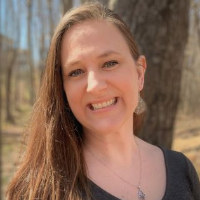
About Elizabeth
Elizabeth Romska is a Licensed Clinical Social Worker (LCSW) based in North Carolina. She brings 15 years of clinical experience and a long history working in school settings to her therapy work. Elizabeth approaches people with respect and aims to help them reconnect with what matters to them.
Her style is client-centered and trauma-informed. She focuses on building trust and listening first. Sessions often involve identifying strengths and practical tools the person already has, then practicing small changes that fit daily life.
Elizabeth has helped people who face depression, anxiety, trauma and abuse, ADHD, and parenting challenges. She also supports concerns such as codependency, grief, relationship stress, and self-esteem. Her experience includes work with diverse backgrounds and many family situations from her school social work role.
She uses several therapeutic approaches, including Acceptance and Commitment Therapy, cognitive strategies, dialectical behavior ideas, and motivational interviewing. Elizabeth emphasizes compassion, nonjudgment, and helping people discover their own path forward.
Outside of clinical work she spends time with her husband and three daughters, exercises, plays games, and enjoys nature. She aims to make the therapy process straightforward and grounded so people can find steady progress and clearer choices.
How therapeutic approaches guide online sessions
Acceptance and Commitment Therapy (ACT) focuses on identifying values and taking small steps toward them while learning to accept difficult thoughts and feelings. It can help when worry, avoidance, or feeling stuck make it hard to move forward. Cognitive Behavioral Therapy (CBT) looks at patterns of thinking and behavior and teaches concrete skills to reduce anxiety, manage mood, or change unhelpful habits. Dialectical Behavior Therapy (DBT) brings practical skills for managing intense emotions and improving how someone copes with stress and relationships.Finding the right approach is a collaborative process. Elizabeth will talk with each person about their goals and preferences, and together they decide which methods fit best. Approaches can be mixed and adjusted over time as needs change.
Session formats are not specified in the biography, so confirm current options before booking. Online therapy can make it easier to fit sessions into busy days, allow shorter check-ins when needed, reduce travel time, and support consistent weekly work from wherever someone is located in North Carolina. The therapist will discuss logistics and practical details during the initial match so sessions match the client’s routine and goals.
Areas of expertise
Primary focus
Also works with
Additional focus areas
Therapeutic approaches
Experience
15+ years
Credentials
North Carolina
Languages
English
Frequently asked questions
What kinds of problems does this therapist help with?
Elizabeth works with a range of concerns including anxiety, depression, trauma and abuse, parenting stress, codependency, grief, and issues around self-esteem and relationships.
What is the general therapy style and approach?
Her approach is client-centered and trauma-informed, combining Acceptance and Commitment Therapy, cognitive strategies, dialectical behavior ideas, and motivational interviewing to meet practical goals.
How much clinical experience does she have?
She has 15 years of clinical experience and many additional years working as a school social worker supporting children and families.
What credentials and location are listed?
She is a Licensed Clinical Social Worker (LCSW) licensed in North Carolina and practices from that state.
Which languages are supported for sessions?
Sessions are offered in English only.
Are international clients accepted?
International clients are not currently accepted.
How does payment and cost work?
Cost varies with location and therapist availability; sessions use a subscription that can be canceled at any time.
What are the first steps to begin therapy?
Click the Start Therapy button, complete a short matching questionnaire, and schedule according to therapist availability to get started.
Profile details come from information the therapist supplied to BetterHelp. Credential and registration rules differ between the United States, the United Kingdom and Australia.