- Person-centered approach
- Practical skill building
- 20 years experience
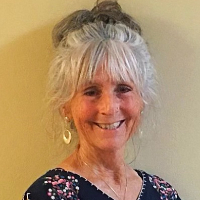
About Elizabeth
Elizabeth Chavez is an LPCC with 20 years of work in mental health. She has practiced in intensive psychiatric hospitals, correctional settings, substance treatment programs, and community counseling centers. She introduces herself plainly and focuses on helping people feel better now while building tools to stay well.
She sees therapy as a conversation. She listens for each person's needs, strengths, and obstacles before suggesting a path forward. Her style is person-centered, meaning the work adapts to who the client is and what they want to change.
Elizabeth uses straightforward methods to help people manage stress, anxiety, depression, substance use, trauma, and grief. She draws on approaches like cognitive behavioral strategies, dialectical skills, and mindfulness to support daily coping and longer-term change. She also attends to life transitions and questions about meaning and purpose.
Clients can expect practical skill-building during sessions. That may include learning tools to reduce intense feelings, techniques to shift unhelpful thinking, and simple practices to stay grounded. She aims to help people make choices that lead to greater stability, engagement, and contentment in life.
Her work includes attention to codependency, attachment-related struggles, communication challenges, and parenting concerns among other focus areas. Elizabeth works in English and practices in New Mexico as an LPCC. Prospective clients are encouraged to confirm session options when they reach out so they can find the best fit.
Approaches for online work and how they help
Client-Centered Therapy focuses on listening and collaboration. The therapist follows the person's lead, reflects what she hears, and helps clarify goals and values; this is useful for people facing life transitions or uncertainty.Cognitive Behavioral Therapy (CBT) helps identify and change unhelpful thinking and behavior patterns. It often includes homework and simple exercises to reduce anxiety, depression, and patterns that fuel substance use or codependency.
Dialectical Behavior Therapy (DBT) offers concrete skills for managing intense emotions and improving interpersonal effectiveness. It can be helpful for emotion regulation, anger, and relationships that feel overwhelming.
Finding the right mix of approaches is part of the work. Elizabeth collaborates with each person to pick methods that fit their goals, needs, and preferences. Together they test tools and adjust the plan based on what helps most.
If you want online therapy, confirm available session formats before booking so you know how a given therapist is offering care. Online work can make it easier to fit sessions into a busy life, allow shorter check-ins when needed, and reduce travel time. Discuss practical scheduling and format options when you start so sessions line up with your routine and goals.
Areas of expertise
Also works with
Additional focus areas
Therapeutic approaches
Experience
20+ years
Credentials
New Mexico
Languages
English
Frequently asked questions
What kinds of concerns does this therapist address?
She helps people with stress, anxiety, depression, trauma and abuse, addictions, grief, relationship and intimacy-related issues, and many related concerns including codependency and parenting strain.
What is her general therapy style?
Her work is person-centered and conversational. She listens first, then uses tools from CBT, DBT, mindfulness, and existential approaches as they fit the person.
How much clinical experience does she have?
She has about 20 years of experience working in settings such as psychiatric hospitals, correctional facilities, substance treatment centers, and community counseling centers.
What are her credentials and practice location?
She holds the LPCC credential and practices in New Mexico.
In which languages can sessions be conducted?
Sessions are offered in English.
Can people outside the United States work with her?
International clients are not currently accepted.
How does payment or cost work for sessions?
Cost varies with location and therapist availability; sessions use a subscription that can be canceled at any time.
What are the steps to begin therapy?
Click the Start Therapy button, complete a short matching questionnaire, and schedule sessions according to therapist availability.
Profile details come from information the therapist supplied to BetterHelp. Credential and registration rules differ between the United States, the United Kingdom and Australia.