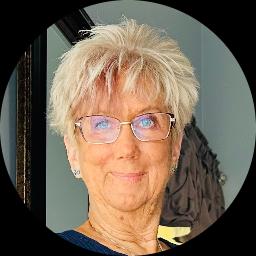
- Client-centered care
- 25 years experience
- Practical CBT strategies
About Elizabeth
Elizabeth Allen is a licensed social worker with 25 years of experience in Missouri. She creates a calm, nonjudgmental space where people can talk about stress, anxiety, relationship concerns, trauma, grief, and mood challenges. Elizabeth emphasizes practical steps and steady support as people take the first steps toward change.
Her approach blends client-centered care with techniques from cognitive behavioral therapy. That means she listens closely and helps people notice thoughts and habits that get in the way. Then she and the client try simple, concrete changes to reduce distress and improve daily functioning.
Elizabeth has worked across many common life challenges, including addiction, coping with life changes, parenting strain, career stress, and caregiving burden. She also addresses issues such as body image, codependency, sleep and eating struggles, and compassion fatigue. Her background gives her familiarity with both sudden crises and long-term patterns that cause pain.
Sessions focus on clear goals, practical strategies, and steady progress. She encourages people to bring what matters most to them and to try tools between meetings. Conversations are collaborative and paced to each person’s needs.
People seeking help are guided through a straightforward start process. Elizabeth supports clients who want to reduce distress, build healthier habits, and find more balance in daily life.
How her approaches guide online work
Elizabeth combines client-centered therapy and cognitive behavioral therapy in a way that aims to be practical and direct. Client-centered therapy focuses on listening, empathy, and following the person's own priorities, which helps people feel heard and understood. Cognitive behavioral therapy looks at thoughts and behaviors, and uses exercises and small experiments to shift unhelpful patterns and ease symptoms.Finding the right approach is part of the work. Elizabeth will collaborate with each person to choose techniques that match their goals, needs, and comfort level. She adapts methods over time, checking in about what helps and making changes together.
If you are considering online sessions, confirm the current session options before booking since formats are not specified here. Online work can make it easier to fit therapy into a busy week, reduce travel time, and allow shorter check-ins when a quick update is needed. Some people also find online meetings let them try tools in the moment and practice skills between sessions. Licensed professionals like Elizabeth aim to make the format fit everyday life while focusing on clear goals and steady progress.
Areas of expertise
Primary focus
Also works with
Additional focus areas
Therapeutic approaches
Experience
25+ years
Credentials
Missouri, Kansas, Virginia
Languages
English
Frequently asked questions
What kinds of concerns does she help with?
She helps people with stress, anxiety, relationship problems, trauma and abuse, grief, depression, addictions, and codependency among many other concerns.
What is her general therapy style?
She blends client-centered therapy with cognitive behavioral techniques, listening closely and then working on practical changes together.
How long has she practiced?
She has 25 years of professional work experience in therapeutic settings.
Where is she licensed and based?
She is licensed in Missouri with credentials listed as LSCSW and LCSW.
Which languages are sessions offered in?
Sessions are offered in English.
Can people from other countries work with her?
She does not accept international clients at this time.
How does payment and cost work?
Cost varies with location and therapist availability; sessions use a subscription that can be canceled at any time.
What is the first step to start therapy?
Select the Start Therapy button, complete a short matching questionnaire, and schedule according to therapist availability.
Profile details come from information the therapist supplied to BetterHelp. Credential and registration rules differ between the United States, the United Kingdom and Australia.