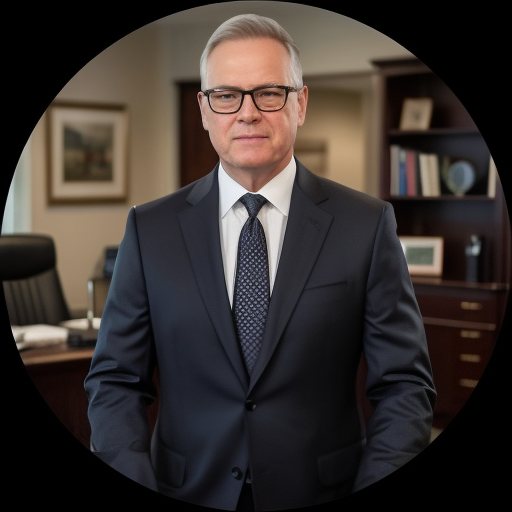
- 30 years experience
- Values-aligned counseling
- English and Japanese
About Edward
Dr. Edward Varner brings thirty years of clinical work to people facing hard life moments. He makes space for those dealing with depression, relationship struggles, trauma, and mood challenges. He communicates plainly and aims to help people find steadier ground and clearer next steps.
He draws on several practical therapy approaches, including cognitive behavioral techniques and acceptance-based work. Sessions often focus on small, useful changes - adjusting patterns, practicing new ways to cope, and building healthier habits in daily life. He also pays attention to attachment patterns and how early relationships shape current reactions.
Dr. Varner's practice reflects a Christian and conservative outlook, which some clients find helpful when they want counseling that aligns with their values. He describes his work as collaborative and respectful, helping people explore goals and choose strategies that fit their beliefs and needs.
He has experience with a wide range of concerns, such as anxiety, bipolar mood problems, grief, addiction, and codependency. He also addresses more specific issues like body image, sexual violence recovery, and blended family challenges. His background includes work with men, veterans, and first responders.
Dr. Varner holds the credential LPC-MHSP, which is a Tennessee license allowing clinical practice in mental health settings. He sees clients in Tennessee and works with people in English and Japanese. He also accepts international clients; prospective clients should confirm current session options before booking.
Therapeutic approaches and how they work online
Acceptance and Commitment Therapy, or ACT, helps people notice unhelpful thoughts and choose actions that match their values. It is often used for anxiety, depression, and getting unstuck from patterns that hold people back.Attachment-Based Therapy looks at how early relationships shape today's reactions and connections. This approach can be useful for people who struggle with closeness, trust, or repeating difficult relationship patterns.
Cognitive Behavioral Therapy, or CBT, focuses on identifying unhelpful thinking and changing behavior step by step. It is often applied to mood disorders, anxiety, and habits that interfere with daily life.
Finding the right approach is part of the therapy process. The therapist will work collaboratively with each person to choose methods that fit their goals, needs, and values. People often try a few techniques and keep what helps most.
If you are considering online therapy, confirm the specific session options before booking. The therapist's biography does not list particular formats, so it is important to verify how sessions are run. Online sessions can make it easier to fit counseling into a busy week, allow shorter check-ins when needed, and reduce time spent traveling to an office. Licensed professionals can adapt these methods to work effectively through remote sessions while focusing on practical tools and steady progress.
Areas of expertise
Primary focus
Also works with
Additional focus areas
Therapeutic approaches
Experience
30+ years
Credentials
Tennessee
Languages
English, Japanese
Frequently asked questions
What kinds of problems does he help with?
He works with issues like depression, anxiety, relationship stress, trauma recovery, grief, addiction, and codependency.
What is his general approach in sessions?
He uses practical methods such as cognitive behavioral and acceptance-based techniques and focuses on small, achievable steps clients can use day to day.
How long has he been practicing?
He has about 30 years of clinical experience working with a wide range of concerns and life transitions.
Where does he practice and what credentials does he hold?
He is licensed in Tennessee and holds the LPC-MHSP credential for mental health practice in that state.
Which languages are supported for sessions?
Sessions are offered in English and Japanese.
Can people outside the United States see him?
He accepts international clients; confirm session logistics and any regional considerations before scheduling.
How are fees and payments handled?
Cost varies with location and therapist availability, and sessions use a subscription that can be canceled at any time.
What do I need to do to begin?
Click the Start Therapy button, complete a short matching questionnaire, and schedule according to the therapist's availability.
Profile details come from information the therapist supplied to BetterHelp. Credential and registration rules differ between the United States, the United Kingdom and Australia.