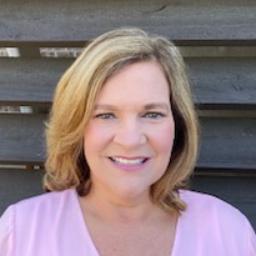
- 32 years experience
- Goal focused
- English sessions
About Donda
Donda Goodson is a Licensed Mental Health Counselor and Licensed Professional Counselor based in Alabama. She has over 30 years of practice helping people who feel stuck by stress, anxiety, depression, grief, trauma, or addiction. She also supports people coping with ADHD, parenting strain, and codependency concerns. Her tone in sessions is direct and practical, aimed at helping people take small, useful steps forward.
Goodson earned an undergraduate degree in Vocational Rehabilitation from Auburn University and a master’s degree in Rehabilitation Counseling from the University of Alabama at Birmingham. She began her counseling career in 1992 after receiving her counseling license from the Alabama Board of Examiners in Counseling. Most of her work has been in mental health agencies and in private practice settings.
She has worked with clients across a wide age range and with many life challenges, including anger, obsessive-compulsive concerns, trauma and stress disorders, and maintaining sobriety. She has experience supporting people affected by autism spectrum conditions, adoption and foster care issues, blended family dynamics, chronic illness, and first responder stress.
In sessions she uses client-centered and cognitive behavioral approaches to help people identify obstacles and set reachable goals. She combines those methods with acceptance and commitment, dialectical behavior, and mindfulness ideas when helpful. The focus is on practical skills, clearer choices, and steady progress.
People who want straightforward guidance and tools to manage difficult feelings or to change unhelpful patterns may find her approach useful. To begin, readers should follow the site’s start steps to match and schedule according to the therapist’s availability.
How these approaches translate to online sessions
Acceptance and Commitment Therapy (ACT) focuses on helping people notice what matters to them and take small actions toward those values while accepting difficult thoughts or feelings. It can help with anxiety, depression, and codependency patterns. Cognitive Behavioral Therapy (CBT) breaks problems into thoughts, feelings, and behaviors and teaches practical skills to change unhelpful patterns. It is useful for anxiety, mood problems, and coping with life changes. Client-Centered Therapy emphasizes a respectful, listening-based relationship where the therapist follows the client’s pace and priorities to build insight and confidence.Finding the best approach is collaborative. The therapist will work with each person to choose or combine methods that fit their goals and everyday life. That process is ongoing - techniques can be adjusted as needs and preferences change.
The original profile does not list specific online session formats, so confirm the current session options before booking. Online work can make it easier to fit appointments into a busy day, reduce travel time, and let people use sessions during a lunch break or from a quieter spot. Some approaches translate well to shorter check-ins or worksheet-based practice between meetings, helping skills land in real life without promising any single format.
Areas of expertise
Also works with
Additional focus areas
Therapeutic approaches
Experience
32+ years
Credentials
Alabama, Florida, Virginia
Languages
English
Frequently asked questions
What concerns does she help people with?
She works with a broad range of concerns including stress, anxiety, trauma and abuse, grief, self-esteem struggles, depression, addictions, parenting strain, anger, bipolar disorder, life changes, and ADHD.
What is her therapeutic style like?
Her style is practical and client-centered, using cognitive behavioral techniques and often drawing on acceptance, dialectical behavior, and mindfulness strategies to build skills and make changes.
How much experience does she have?
She brings 32 years of experience working in mental health agencies and private practice, starting her licensed practice in 1992.
What are her credentials and where is she based?
She holds LMHC and LPC credentials and practices in Alabama.
Are sessions available in other languages or internationally?
Sessions are offered in English. International clients are not currently accepted.
What session formats are offered?
The original profile does not specify session formats, so please confirm current session options before booking.
How does cost work for sessions?
Cost varies with location and therapist availability; sessions use a subscription that can be canceled at any time.
How do I get started with therapy?
Use the Start Therapy button, complete a short matching questionnaire, and schedule according to the therapist’s availability.
Profile details come from information the therapist supplied to BetterHelp. Credential and registration rules differ between the United States, the United Kingdom and Australia.