- Person-focused
- Practical strategies
- Multilingual
About Dominique
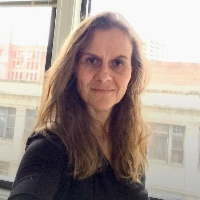
Dominique Decoster is a licensed clinical social worker who helps people manage stress, anxiety, substance issues, trauma, depression, grief, and struggles with sleep or eating. She also supports people dealing with anger, low self-esteem, bipolar concerns, and the effects of codependency. Dominique communicates in English, Spanish, and French and practices in Massachusetts.
She takes a straightforward, person-focused approach in sessions. Dominique listens to what matters most to each person and works with them to set clear goals. Sessions often include practical strategies people can try between meetings, and she adapts methods to fit each person's life and needs.
Dominique earned a Master of Social Work from Springfield College in 2005. Her training included internships in a correctional facility and at a cancer center, giving her experience with a range of difficult situations. She spent three years working as a therapist in a clinic setting early in her career.
For the last 15 years she has worked as a social worker for a public defender's office, providing services to people facing criminal charges. That work brings experience with complex legal and social stressors and with clients who are managing multiple challenges at once.
Her style blends listening with practical tools drawn from approaches like cognitive behavioral work, dialectical behavior ideas, mindfulness, motivational interviewing, and a client-centered stance. People looking for a clear, goal-oriented process often appreciate this mix when addressing long-standing patterns and immediate problems.
How therapeutic approaches translate to online work
Client-Centered Therapy focuses on listening and responding to each person's priorities. It helps when someone needs a respectful, nonjudgmental space to sort out feelings and decide on next steps. Cognitive Behavioral Therapy, or CBT, looks at how thoughts and behaviors affect mood and offers step-by-step strategies to change unhelpful patterns; it often helps with anxiety, depression, and sleep or eating problems.Finding the right approach is part of the work. Dominique collaborates with each person to choose methods that match their goals, needs, and day-to-day life. That choice can be revisited as therapy progresses so the plan stays useful and realistic.
Session formats are not specified in the biography, so confirm current options before booking. Online appointments can make it easier to fit therapy into a busy schedule, reduce travel time, and allow shorter check-ins when needed. They also let people use language options like English, Spanish, or French without changing location. If logistics matter, ask about session length and scheduling when you complete the matching questionnaire.
Areas of expertise
Primary focus
Also works with
Additional focus areas
Therapeutic approaches
Experience
4+ years
Credentials
Massachusetts
Languages
English, Spanish, French
Frequently asked questions
What concerns does Dominique address in therapy?
She supports people facing stress, anxiety, addictions, trauma and abuse, depression, grief, sleep and eating difficulties, anger, self-esteem problems, bipolar symptoms, and issues related to codependency among other concerns.
How would you describe her therapeutic style?
She uses a person-focused style that emphasizes listening, goal setting, and practical strategies people can try between sessions.
What background does she bring to her work?
She holds a Master of Social Work from Springfield College and completed internships in a correctional facility and a cancer center, followed by clinic work and long-term social work in a public defender's office.
What credentials and location are listed?
She is an MA LICSW practicing in Massachusetts.
Which languages are available for sessions?
Sessions are offered in English, Spanish, and French.
Can international clients schedule with her?
She is not currently accepting international clients.
How are costs handled for sessions?
Costs vary with location and therapist availability; sessions use a subscription that can be canceled at any time.
What is the process to begin working together?
Start by selecting the Start Therapy button, complete a short matching questionnaire, and then schedule according to the therapist's availability.
Profile details come from information the therapist supplied to BetterHelp. Credential and registration rules differ between the United States, the United Kingdom and Australia.