- Attachment informed
- Client-centered
- Focus on codependency
About Diane
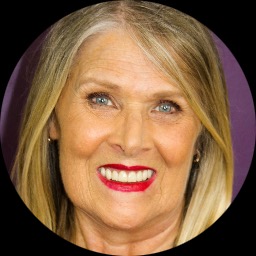
Diane Wilson is a licensed marriage and family therapist practicing in California. She has six years of clinical experience helping people who feel overwhelmed by stress, anxiety, relationship struggles, trauma, grief, and codependency. Diane approaches each person with respect, sensitivity, and a calm presence. She aims to make the first steps into therapy feel manageable and encouraging.
Diane structures sessions around what matters most to the individual. She listens first and then tailors conversations and plans to the person's needs. This often means slowing down to clarify goals, naming patterns that cause distress, and trying small practical changes between sessions.
In sessions she focuses on how attachment and past relationships shape current feelings. She also centers the person's experience, offering a space where concerns can be named without judgment. Diane uses existential ideas when clients wrestle with questions of meaning, choice, and life direction.
Diane works with a range of concerns including abandonment wounds, family of origin issues, guilt and shame, isolation, and workplace stress. She also supports people facing midlife shifts, aging questions, and men’s or women’s issues. Her goal is to help people build clearer boundaries, greater self-understanding, and more steadiness in daily life.
To begin, she asks people to share what they hope to change and what feels hard right now. From there she and the client create a steady plan that fits the person’s day-to-day routines and goals.
How Diane’s approaches translate to online work
Attachment-Based Therapy looks at how early bonds affect present relationships. Diane uses this to help people see patterns of closeness and distance and to try new ways of relating that feel safer and more steady.Client-Centered Therapy focuses on the person’s experience. In sessions she follows the client’s lead, reflects what they share, and helps them name what matters most. This approach is often useful for building self-understanding and confidence.
Finding the right approach is part of the work. Diane talks with each person about goals, history, and preferences, and then she and the client decide together which methods to emphasize. That collaborative process helps tailor therapy to practical needs and life circumstances.
Confirm current session options before booking so you know how she offers care. Online therapy can make it easier to fit sessions into a busy week, reduce travel time, and allow shorter check-ins when needed. It also supports steady attendance during life transitions and can help people keep therapy consistent alongside work or family commitments.
Areas of expertise
Primary focus
Additional focus areas
Therapeutic approaches
Experience
6+ years
Credentials
California
Languages
English
Frequently asked questions
What concerns does Diane commonly address?
She helps people with stress, anxiety, relationship struggles, trauma and abuse, grief, and issues around codependency and self-esteem.
What is her therapy style like?
Her approach is warm and respectful. Sessions center on listening, clarifying patterns, and creating practical steps that fit daily life.
How much clinical experience does she have?
Diane has six years of professional experience working with clients on a range of concerns.
What are her credentials and where does she practice?
She is a Licensed Marriage and Family Therapist, LMFT, practicing in California.
Which languages are sessions offered in?
Sessions are offered in English.
Can people outside the U.S. work with her?
She does not accept international clients at this time.
How much do sessions cost?
Cost varies with location and therapist availability; sessions use a subscription that can be canceled at any time.
How do I begin working with Diane?
Select the Start Therapy button, complete the short matching questionnaire, and schedule according to the therapist's availability.
Profile details come from information the therapist supplied to BetterHelp. Credential and registration rules differ between the United States, the United Kingdom and Australia.