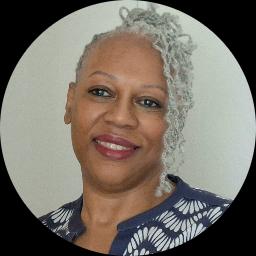
- Warm interactive style
- Practical goal focus
- Family systems awareness
About Diana
Diana Simpson is a counsellor with 21 years of experience who draws on person-focused ways of working to support people through difficult life moments. She presents a warm, interactive style and aims to treat people with respect and compassion. Diana uses a blend of approaches to match each person’s needs and goals.
Over two decades she has helped people manage parenting pressures, anxiety, depression and bereavement. She also supports those facing relationship strain, endings such as divorce and separation, and struggles with abandonment or intimacy. Other areas she attends to include codependency, addictions, career concerns and changes linked to ageing.
Her approach is flexible rather than one-size-fits-all. Sessions focus on clear goals and practical skills as well as exploring patterns that cause repeated problems. Diana helps people build self-awareness and everyday tools they can try between meetings.
Diana trained in psychology and counselling, with a BA honours degree and a master’s in psychology. She is registered with the British Association for Counselling and Psychotherapy - BACP.
People find the process collaborative: she listens, reflects back what’s helpful and then works with each person on steps forward. That might include short-term practical plans or a longer conversation about patterns coming from family history and attachment.
How Diana’s approaches work online
Diana blends person-centred listening with structured methods to help people make changes. Client-Centred Therapy focuses on understanding your experience and responding in a non-judgemental way so you feel heard; it helps when someone needs space to talk and reflect. Cognitive Behavioural Therapy, or CBT, looks at links between thoughts, feelings and actions and gives practical tools to manage anxiety, low mood and unhelpful habits. Solution-Focused Therapy narrows attention to achievable steps and small changes that move you toward specific goals.Finding the right mix of approaches is part of the work. The therapist will talk with you about your situation, goals and preferences and together you will decide what to try. That collaborative process means methods can be adjusted as you progress.
If you are considering online sessions, check the current session options before booking so you know which formats are offered. Online work can make it easier to fit counselling around busy days, reduce travel time and allow shorter check-ins when needed. It can also suit people who prefer talking without being on camera or who need a quieter arrangement during a lunch break or between commitments.
Areas of expertise
Primary focus
Also works with
Additional focus areas
Therapeutic approaches
Experience
21+ years
Credentials
Listed on profile
Languages
English
Frequently asked questions
What kinds of concerns does Diana address?
Diana helps with stress, anxiety, depression and grief as well as relationship and parenting pressures. She also works with issues like codependency, addictions, career changes and intimacy-related problems.
How would you describe her therapeutic style?
Her style is warm and interactive with a person-centred emphasis. Sessions mix listening and reflection with practical steps tailored to your goals.
How much experience does she have?
Diana has 21 years of experience working with individuals and families across a range of issues. That background informs both short-term and longer-term work.
What professional credential does she hold and where is she based?
She is registered with the British Association for Counselling and Psychotherapy (BACP) and practises in the United Kingdom.
Which languages are sessions offered in?
Sessions are offered in English.
Can people outside the UK book sessions?
International clients are not currently accepted; sessions are offered to people based in the United Kingdom.
How does payment and cost work?
Cost varies with location and therapist availability; sessions are arranged through a subscription that can be cancelled at any time.
What do I do to start therapy?
Select the Start Therapy button, complete a short matching questionnaire and then schedule according to the therapist's availability.
Profile details come from information the therapist supplied to BetterHelp. Credential and registration rules differ between the United States, the United Kingdom and Australia.