- Client-centred focus
- Trauma-aware support
- Practical steps
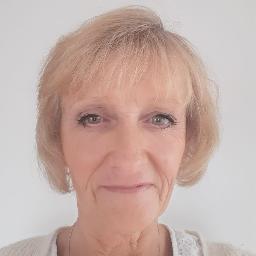
About Dawn
Dawn Redwood, NCPS, works in a client-centred way that keeps the person’s needs at the heart of therapy. She prefers a straightforward style that helps people feel heard and understood. Dawn offers calm, steady support for those dealing with stress, anxiety, trauma and relationship concerns.
She trained as an integrative counsellor and draws on several approaches to shape sessions around each person. That background helps when people bring issues such as ADHD, grief, low self-esteem or problems with intimacy and codependency. Dawn also has experience supporting people with eating and sleeping difficulties, anger, and major life changes.
Her work history includes private practice and roles with charities and organisations. She has worked in schools, provided therapy via employee assistance programmes and supported people at a rape centre. Those settings gave practical experience with PTSD, trauma and relationship harm.
Dawn completed additional training to become a clinical supervisor and has recently written a research paper on working with people who are suicidal. She brings five years of counselling experience to her sessions and uses that experience to adapt her approach to each person’s situation.
Sessions aim to be collaborative and paced to the individual. Dawn helps people identify small steps forward, notice unhelpful patterns and build on strengths. She works in English from the United Kingdom and uses a subscription model that can be cancelled at any time.
How Dawn’s approaches translate to online work
Dawn draws on client-centred ways of working and trauma-focused ideas to guide online counselling. Client-Centred Therapy means the session is shaped around what the person wants to talk about, with the counsellor listening and reflecting to help clarify feelings and priorities. Trauma-Focused Therapy involves addressing the effects of traumatic experiences and building coping skills to reduce distress and improve day-to-day functioning.Choosing the right approach is part of the work together. Dawn will discuss goals, try methods, and adjust the style to suit the person’s needs and preferences. That collaborative process helps people notice what helps and what does not, and it guides practical next steps.
Practical benefits of online therapy include fitting sessions into a busy life and keeping continuity when in-person meetings are difficult. Online work can make it easier to schedule around work, transport or childcare, and it allows the same therapeutic process to continue from different locations. Confirm the current session options before booking so you know how appointments will be delivered.
Areas of expertise
Primary focus
Also works with
Additional focus areas
Therapeutic approaches
Experience
5+ years
Credentials
Listed on profile
Languages
English
Frequently asked questions
What problems does Dawn commonly help with?
Dawn supports people facing stress, anxiety, trauma and relationship concerns. She also works with issues like ADHD, grief, low self-esteem and codependency.
How would you describe her therapy style?
She works mainly in a client-centred way, listening first and then shaping sessions to a person’s priorities. She combines this with other approaches to make therapy practical and focused.
What experience does she bring to sessions?
She has five years of counselling experience across private practice and charity roles. That includes work in schools, EAP schemes and a rape centre, giving exposure to trauma and PTSD.
What credentials and location are listed?
The profile lists NCPS as the credential and shows the therapist is based in the United Kingdom.
Which languages are supported for therapy?
Sessions are offered in English.
Can people outside the UK work with Dawn?
She does not accept international clients at this time.
How are sessions paid for and what do they cost?
Costs vary with location and therapist availability; sessions use a subscription that can be cancelled at any time.
How do I begin if I want to see her?
Use the Start Therapy button, complete the short matching questionnaire, and schedule according to the therapist’s availability.
Profile details come from information the therapist supplied to BetterHelp. Credential and registration rules differ between the United States, the United Kingdom and Australia.