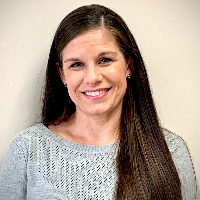
- Client-centered
- Goal focused
- Empathetic listener
About Danielle
Danielle McDonald is a Licensed Clinical Social Worker (LCSW) based in New York with 17 years of practice. She began her social work career after earning a Master of Social Work from the University at Buffalo in 2006 and has worked across inpatient and outpatient mental health and substance use settings. Danielle aims to make therapy straightforward and approachable for people under stress or facing big life changes.
Her style is relaxed and collaborative. She focuses on listening, empathy, and sometimes humor to make conversations easier. Danielle emphasizes the therapeutic relationship as the foundation for change and helps people set clear, manageable goals.
Danielle commonly uses Cognitive Behavioral Therapy and Client-Centered Therapy, and she also draws on Solution-Focused and Mindfulness approaches when they fit a person's needs. She adapts methods to match what each person prefers and what their situation calls for.
People come to Danielle for a range of concerns, including anxiety, depression, addictions, low self-esteem, grief, parenting stress, ADHD, and relationship or family problems. She also works with issues such as attachment concerns, codependency, blended family challenges, and compassion fatigue.
Early sessions focus on understanding what brought someone to therapy and identifying practical goals. From there she and the client choose steps that feel doable in daily life. Danielle describes herself as flexible and attentive, and she aims to help people build new ways of coping and relating.
How Danielle's Approaches Translate to Online Work
Client-Centered Therapy focuses on listening and building a trusting relationship. The therapist follows the person's lead, reflects what they say, and helps them name what matters most. This approach is useful for people who need a steady, supportive space to sort out feelings.Cognitive Behavioral Therapy, or CBT, looks at how thoughts, feelings, and actions connect. It uses practical exercises and small experiments to change unhelpful patterns. CBT often helps with anxiety, depression, stress, and coping during life changes.
Finding the right approach is a joint process. Danielle will discuss goals and preferences, then try methods that fit each person's needs. She adapts intervention speed and style based on how someone responds, and checks in regularly to make sure the work feels useful.
If you prefer online sessions, confirm current session options before booking since specific formats are not listed here. Many people appreciate online work because it can fit into a busy schedule, avoid travel time, and make follow-up between sessions easier. Danielle aims to help clients build practical skills that fit into everyday life, whether meeting remotely or in another agreed format.
Areas of expertise
Also works with
Additional focus areas
Therapeutic approaches
Experience
17+ years
Credentials
New York
Languages
English
Frequently asked questions
What kinds of concerns does Danielle work with?
She helps people coping with stress, anxiety, depression, addictions, low self-esteem, grief, parenting stress, ADHD, and relationship or family problems, among other issues.
What is Danielle's therapy style like?
Her approach is relaxed and collaborative, focusing on listening, empathy, and practical goal-setting to help people make steady progress.
How long has she been practicing?
Danielle has 17 years of clinical experience working in inpatient and outpatient mental health and substance use settings.
Where is Danielle licensed and based?
She is a Licensed Clinical Social Worker (LCSW) practicing in New York.
Which languages are supported for sessions?
Sessions are offered in English.
Can people outside the U.S. work with her?
International clients are not currently accepted.
How are sessions paid for?
Cost varies with location and therapist availability; sessions use a subscription that can be canceled at any time.
How do I begin if I want to work together?
Select the Start Therapy button, complete the short matching questionnaire, and schedule according to therapist availability.
Profile details come from information the therapist supplied to BetterHelp. Credential and registration rules differ between the United States, the United Kingdom and Australia.