- Whole-person focus
- Practical coping tools
- Collaborative goal setting
About Cynthia
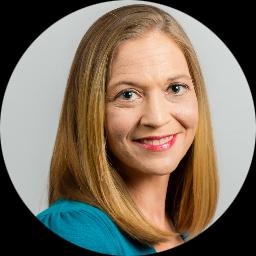
Cynthia Sewell is a licensed professional counselor (LPC) based in Arkansas with seven years of clinical experience. She focuses on helping people who feel stuck, overwhelmed, or like they are only surviving day to day. Cynthia aims to help clients find tools to move out of dark periods and begin enjoying life again.
She treats the whole person by attending to physical, mental, spiritual, and social needs. That means conversations look at daily routines, coping skills, relationships, and what matters most to each person. Cynthia uses an integrated approach that is shaped to fit each individual's situation.
Her background includes work with people ages 6 to 65 on problems such as depression, anxiety, mood disorders, trauma, and social skills. She also helps with stress, relationship concerns, self-esteem, grief, parenting questions, addiction, ADHD, and co-morbidity. Codependency and communication problems are among the additional focus areas she addresses.
Cynthia offers individual therapy, family work, and group therapy options. In sessions she blends talk therapy with techniques from cognitive behavioral therapy and dialectical behavior therapy, and she includes mindfulness and motivational interviewing when helpful. Sessions aim to be practical and to build skills that can be used between appointments.
People who come to Cynthia can expect a collaborative process where the therapist and client set goals together. The focus is on small, usable changes that add up over time and help people regain a sense of control and purpose.
How Cynthia Uses Practical Therapies Online
Cognitive Behavioral Therapy focuses on the link between thoughts, feelings, and actions. It uses simple exercises and small behavior changes to reduce anxiety, manage mood, and improve daily functioning.Dialectical Behavior Therapy offers skills for emotion regulation, distress tolerance, and better interpersonal interactions. It can help people who feel overwhelmed by strong emotions or who struggle with intense reactions.
Finding the right approach is part of the work together. Cynthia will collaborate with each person to pick methods that match their goals, needs, and preferences. She adjusts techniques over time based on what helps in real life.
If you are considering online sessions, confirm available session formats before booking. The main practical benefit of working remotely is flexibility - it can make it easier to fit regular sessions into a busy week and to use brief check-ins when that helps. Online work also lets clients practice skills in day-to-day settings and bring concrete examples to sessions for problem solving.
Areas of expertise
Primary focus
Also works with
Additional focus areas
Therapeutic approaches
Experience
7+ years
Credentials
Arkansas
Languages
English
Frequently asked questions
What kinds of concerns does Cynthia address?
Cynthia works with a wide range of concerns including stress, anxiety, depression, relationship and communication problems, grief, trauma, addictions, ADHD, bipolar and mood disorders, and codependency.
How does she approach therapy?
She uses an integrated, client-centered style. Sessions mix talk therapy with practical techniques from cognitive behavioral therapy, dialectical behavior therapy, mindfulness, and motivational interviewing.
What is her clinical background?
She has seven years of experience working with people across a range of issues and ages from 6 to 65, including individual and group work and some family-focused sessions.
Where is she licensed and located?
She holds the LPC credential and practices in Arkansas.
Which languages are supported for sessions?
Sessions are offered in English.
Can international clients work with her?
International clients are not currently accepted.
How are costs and billing handled?
Cost varies with location and therapist availability; sessions use a subscription that can be canceled at any time.
What are the first steps to begin therapy?
Select the Start Therapy button, complete a short matching questionnaire, and schedule according to therapist availability.
Profile details come from information the therapist supplied to BetterHelp. Credential and registration rules differ between the United States, the United Kingdom and Australia.