- Goal focused
- Practical tools
- Collaborative
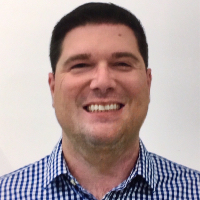
About Craig
Craig Carpenter is a Licensed Clinical Social Worker (LCSW) based in Oklahoma. He brings 14 years of clinical experience and helps people facing stress, anxiety, depression, addictions, and relationship struggles. He aims to help clients reach practical goals through honest, simple work in sessions.
Craig uses straight talk and tools that people can try between meetings. He focuses on what a person wants to change and on steps that fit everyday life. Sessions often include skills practice, checking what worked, and adjusting plans based on real situations.
He draws on several therapy approaches to match a person's needs. Acceptance and Commitment Therapy helps people clarify values and take workable steps. Cognitive Behavioral Therapy is used to identify unhelpful thinking and test new behaviors. Attachment-informed ideas guide work on connection and trust in relationships.
Craig also supports those dealing with grief, career stress, codependency, chronic illness, and the strains of major life changes. He works with concerns related to family of origin, fatherhood issues, and substance use among others. His aim is to make therapy a practical resource, not just talk.
People who choose Craig can expect collaborative planning and straightforward feedback. He encourages honesty and small experiments as ways to build confidence and momentum toward change.
How these approaches guide online therapy
Acceptance and Commitment Therapy (ACT) helps people name what matters most and take small, values-driven steps even when feelings are hard. It suits worries, depression, and life transitions where motivation and direction are central. Cognitive Behavioral Therapy (CBT) focuses on spotting unhelpful thoughts and testing new behaviors to reduce anxiety and lift mood; it often includes simple exercises to try between sessions. Attachment-Based Therapy looks at patterns of connection and trust to improve relationships and reduce loneliness or codependent patterns.Finding the right approach is part of the work together. The therapist will collaborate with the client to choose methods that match goals, life demands, and personal style. Plans often combine techniques so sessions stay practical and relevant.
Confirm the session formats available before booking so they fit your schedule. Online sessions can make it easier to fit therapy into a busy day, shorten travel time, and allow check-ins from different locations. Some formats also let people use shorter meetings for quick coaching or longer sessions for deeper work. Ask about the current options and scheduling to find what works best for you.
Areas of expertise
Primary focus
Also works with
Additional focus areas
Therapeutic approaches
Experience
14+ years
Credentials
Oklahoma
Languages
English
Frequently asked questions
What kinds of problems does Craig address?
He helps with anxiety, depression, addictions, relationship and communication problems, grief, self-esteem, and coping with life changes including codependency and chronic illness.
What is his general therapy style?
Craig uses a practical, collaborative style focused on clear goals, skills practice, and checking what works in daily life.
What experience does he bring to sessions?
He has 14 years of clinical experience, including work in complex mental health settings and a range of behavioral health concerns.
Where is he licensed and based?
Craig is a Licensed Clinical Social Worker credentialed in Oklahoma and practices from that state.
Which languages are supported for therapy?
Sessions are offered in English.
Can people outside the U.S. work with him?
International clients are accepted; confirm any details needed for cross-border sessions when you schedule.
How are fees and payments handled?
Cost varies with location and therapist availability, and sessions use a subscription that can be canceled at any time.
How do I begin therapy with Craig?
Select the Start Therapy button, complete a short matching questionnaire, and schedule according to therapist availability.
Profile details come from information the therapist supplied to BetterHelp. Credential and registration rules differ between the United States, the United Kingdom and Australia.