- Warm and direct
- Practical tools
- Person-centered care
About Christine
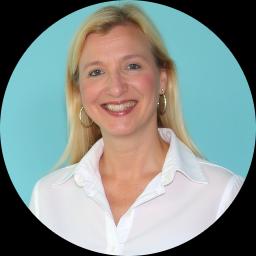
Christine Gorski-Makar is a Licensed Mental Health Counselor (LMHC) in New York with 15 years of experience. She helps people who are dealing with anxiety, depression, addiction, trauma, and codependency. Her tone is warm and down-to-earth, and she focuses on meeting each person where they are.
Her background includes a master’s degree in counseling psychology from New York University and years of work as an addiction and trauma counselor. That experience includes supporting people who have had physical or emotional abuse and those managing PTSD symptoms.
Christine blends practical tools with a person-centered attitude. She uses cognitive behavioral techniques to spot unhelpful thinking and DBT skills to manage intense emotions. She also draws on humanistic and existential ideas to help people find meaning and cope with life changes.
Sessions are collaborative and tailored. Christine listens, asks questions, and builds a plan that reflects each person’s goals and strengths. She aims to be direct while staying compassionate and respectful.
She has worked with a wide range of concerns, including bipolar disorder, autism, eating and sleeping problems, grief, anger, parenting strain, first responder issues, and relationship or intimacy struggles. Christine speaks English and Ukrainian and accepts international clients. If someone is ready to start, she supports that first step toward change.
How Christine's approaches fit with online therapy
Christine uses cognitive behavioral therapy to help people notice and change unhelpful thinking and behavior patterns; this approach is useful for anxiety, depression, and addiction-related concerns. Dialectical behavior therapy is another key tool she uses to teach emotion regulation and distress tolerance skills, which can help when feelings feel overwhelming.She also brings a client-centered, humanistic stance that prioritizes listening and understanding each person’s goals. Deciding which mix of approaches to use is a collaborative process. The therapist will work with the client to try methods, check what helps, and adjust the plan based on needs and preferences.
Practical benefits of online work include fitting sessions into a busy schedule and keeping continuity when travel or relocation happens. Because the biography does not list specific formats, confirm current session options before booking. Online sessions can make it easier to maintain regular contact, practice skills between meetings, and coordinate care around daily routines.
Areas of expertise
Also works with
Additional focus areas
Therapeutic approaches
Experience
15+ years
Credentials
New York
Languages
English, Ukrainian
Frequently asked questions
What problems does Christine help with?
She supports people facing anxiety, depression, addiction, trauma, codependency, grief, and many related concerns listed in her specialties.
What is Christine's therapy style like?
Her style is warm and interactive. She combines practical skills work with a person-centered, respectful approach.
How much clinical experience does she have?
She has 15 years of clinical experience, including work as an addiction and trauma counselor and a master's degree from NYU in counseling psychology.
What credentials and location are listed?
She is a Licensed Mental Health Counselor, LMHC, licensed in New York and practices from that region.
Which languages are sessions offered in?
Sessions are offered in English and Ukrainian, and she accepts international clients.
What session formats are available?
Session formats were not specified in the biography; please confirm the current session options before booking.
How is cost handled?
Cost varies with location and therapist availability; sessions use a subscription that can be canceled at any time.
How do I begin working with her?
Select the Start Therapy button, complete a short matching questionnaire, and schedule according to therapist availability.
Profile details come from information the therapist supplied to BetterHelp. Credential and registration rules differ between the United States, the United Kingdom and Australia.