- Client-centered approach
- Strengths-based planning
- Practical skill building
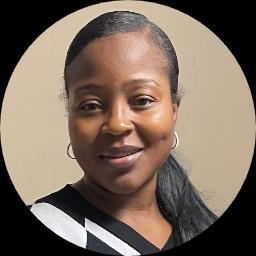
About Chrissy
Chrissy Mobley-Gilmore, LPC, draws on a client-centered approach to help people navigate difficult life events and persistent struggles. She emphasizes listening first and building a plan around each person’s strengths. The aim is practical change that fits into daily life rather than a one-size solution.
She has 15 years of experience as a licensed professional counselor and has also worked as a registered nurse. That combined background shaped her work with concerns such as depression, anxiety, grief, substance use, and trauma. She has supported people coping with domestic violence, physical injury, and emotional abuse.
Sessions focus on dialogue and a tailored plan. Chrissy blends cognitive-behavioral techniques with humanistic and rational-emotive ideas. Mindfulness and motivational methods are used when they fit the person’s goals.
People come for help with relationship struggles, codependency, parenting stress, anger, and self-esteem issues. She also addresses career changes, chronic illness and pain, caregiver strain, and co-occurring diagnoses like bipolar disorder and substance use. The work often includes skill-building and practical steps to manage symptoms.
Chrissy aims to meet people where they are and collaborate on goals. She frames asking for help as a courageous step and focuses on motivating clients toward a more fulfilling life.
How her approaches work online and in sessions
Chrissy uses cognitive-behavioral therapy to help people identify and change unhelpful thinking and behavior patterns, which can reduce anxiety, depression, and problematic habits. She also uses dialectical behavior therapy techniques to teach emotional regulation, distress tolerance, and interpersonal effectiveness skills for strong emotion and relationship challenges.Finding the right approach is a collaborative process. She will work with each person to choose methods that match their goals, preferences, and the problems they want to address. That choice can shift over time as progress is made and needs change.
Confirm current session options before booking, since session formats are not specified here. Online work can make it easier to fit therapy into a busy schedule, reduce travel time, and allow short check-ins when needed. It also makes it possible to practice skills between appointments and bring real-life situations into discussion. Licensed professionals can adapt exercises and homework so the work stays practical and relevant to everyday life.
Areas of expertise
Primary focus
Also works with
Additional focus areas
Therapeutic approaches
Experience
15+ years
Credentials
South Carolina
Languages
English
Frequently asked questions
What kinds of concerns does she address?
She works with many concerns including depression, anxiety, substance use, trauma and abuse, grief, relationship and codependency issues, and stress related to caregiving or chronic illness.
What is her therapy style like?
Her style is client-centered and interactive. Sessions focus on conversation, skill practice, and a customized plan that fits the person’s needs.
How much experience does she have?
She has 15 years of experience as a professional counselor and additional background as a registered nurse, which informs her clinical perspective.
What credentials and location are listed?
She is a Licensed Professional Counselor, LPC, licensed in South Carolina and practices from that state.
Which languages are supported for sessions?
Sessions are offered in English.
Are international clients accepted?
International clients are not currently accepted.
How are costs handled?
Cost varies with location and therapist availability; sessions use a subscription that can be canceled at any time.
How do I begin working with her?
Start by selecting the Start Therapy button, complete a short matching questionnaire, and schedule according to the therapist’s availability.
Profile details come from information the therapist supplied to BetterHelp. Credential and registration rules differ between the United States, the United Kingdom and Australia.