- Client-centered approach
- Practical coping tools
- Strengths focused
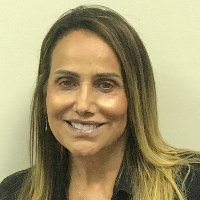
About Cheryl
Cheryl Youngblood, LCSW, helps people dealing with stress, anxiety, depression, codependency, and relationship or intimacy-related issues. She also addresses trauma and abuse, addiction concerns, ADHD, caregiving strain, and challenges like sleep problems and low self-esteem. Cheryl writes and speaks plainly, and aims to make therapy feel manageable for someone juggling family and daily responsibilities.
Cheryl completed social work licensure and brings 12 years of clinical experience in California. Her background includes many years directing a foster and adoption agency, which shaped her understanding of attachment, abandonment, and family-of-origin struggles. She is familiar with issues that can follow adoption and foster care experiences.
Her style is client-centered and practical. Cheryl blends elements from cognitive behavioral therapy and emotionally-focused ideas to help people spot patterns, name feelings, and try new behaviors. She often uses brief tools such as guided imagery, breathing exercises, tapping, and mindfulness to reduce overwhelm and improve focus.
Cheryl is also informed about gerontology and supports people facing later-life transitions, caregiving stress, and questions about retirement or grief. She emphasizes strengths, life experience, and simple strategies that can be used day to day.
Sessions are conversational and paced to match each person’s needs. Cheryl focuses on what is happening now and works collaboratively to build coping skills, improve communication, and steady emotions over time.
How these approaches guide online work
Client-centered therapy focuses on listening and responding to what matters most to each person. It emphasizes empathy, acceptance, and helping people identify their own goals and next steps. Cognitive behavioral therapy, or CBT, looks at how thoughts and behaviors keep problems going and uses structured practices to change unhelpful patterns and reduce anxiety or depression. Emotionally-focused ideas help people name and move through strong feelings, which can improve connection and reduce loneliness or relationship distress.Finding the right approach is part of the work together. The therapist will talk with each person about their needs, goals, and preferences and try methods that fit those priorities. That collaborative process helps shape which tools and exercises are used over time.
Confirm the current session options before booking so you know which online formats are offered. Many people find online sessions help them fit therapy into a busy day, allow shorter check-ins when needed, and make it easier to use exercises between sessions. Online work also makes it possible to practice skills in real-life settings and bring immediate examples back to the conversation.
Areas of expertise
Primary focus
Also works with
Additional focus areas
Therapeutic approaches
Experience
12+ years
Credentials
California
Languages
English
Frequently asked questions
What concerns does Cheryl help with?
She supports people with stress, anxiety, depression, trauma and abuse, addictions, codependency, relationship and intimacy issues, sleep problems, anger, low self-esteem, ADHD, and caregiving stress.
What is her therapeutic style like?
Her approach is client-centered and practical, using conversation and brief tools to manage symptoms and test new ways of coping in daily life.
How much clinical experience does she have?
She has 12 years of clinical experience and worked for many years directing a foster and adoption agency before becoming a licensed social worker.
What credentials and location should I know about?
Cheryl holds an LCSW license in California and practices in that state.
Which languages are sessions offered in?
Sessions are offered in English.
Can international clients work with her?
She is not accepting international clients at this time.
How does cost and billing work?
Cost varies with location and therapist availability; sessions use a subscription that can be canceled at any time.
How do I begin a session with her?
Click the Start Therapy button, complete a short matching questionnaire, and schedule according to therapist availability.
Profile details come from information the therapist supplied to BetterHelp. Credential and registration rules differ between the United States, the United Kingdom and Australia.