- Warm steady presence
- Practical goal setting
- 17 years experience
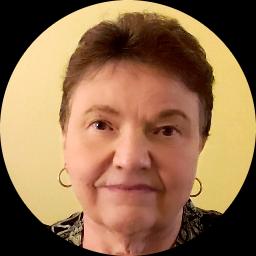
About Cheryl
Cheryl Chiarello is an LPC who helps people who feel stuck, overwhelmed, or unsure where to turn. She offers a steady, nonjudgmental presence for people coping with stress, anxiety, depression, grief, addictions, trauma, and codependency. Cheryl aims to make the first step easier by listening closely and responding to what each person actually says.
Cheryl believes therapy begins with being heard. She lets people say what they need to say, even when words are hard to find. That simple work can loosen tight feelings and create space to think clearly about next steps.
Her approach borrows from client-centered work, motivational interviewing, and psychodynamic ideas. That means sessions often focus on what matters most to the person, on noticing what gets in the way of change, and on how past patterns still affect daily life. Cheryl uses these methods to help people build insight, set manageable goals, and change behavior at a comfortable pace.
She brings 17 years of clinical experience to conversations. Cheryl frames difficult topics plainly and offers steady support while people weigh options and make changes. Her style is warm and straightforward rather than abstract.
Cheryl works from New Jersey and conducts sessions in English. People who want to begin are invited to complete a short matching questionnaire and schedule according to the therapist's availability.
How Cheryl’s approaches translate to online therapy
Client-Centered Therapy emphasizes listening and meeting each person where they are. The therapist focuses on understanding the person's experience and following their lead, which helps with stress, grief, and self-esteem concerns. Motivational Interviewing supports people who feel stuck about change by exploring ambivalence and strengthening personal motivation to try new behaviors. This approach can be useful for addictions and for making life adjustments.Finding the right approach is a collaborative process. Cheryl and the person work together to decide which methods fit the individual’s goals and circumstances. She adjusts the pace and focus as needs evolve so the work feels practical and manageable.
Session formats are not specified in the biography, so confirm current options before booking. Online therapy can make it easier to fit work into a busy week, shorten travel time, and allow check-ins from different places. It also lets people choose sessions that match their energy level, such as a brief conversation or a longer reflective visit, without changing the therapeutic intent.
Areas of expertise
Primary focus
Also works with
Additional focus areas
Therapeutic approaches
Experience
17+ years
Credentials
New Jersey
Languages
English
Frequently asked questions
What kinds of concerns does Cheryl address?
She helps people facing stress, anxiety, depression, grief, trauma and abuse, addictions, and codependency, along with related issues like self-esteem and coping with life changes.
What is her therapeutic style like?
Sessions are patient-centered and conversational. Cheryl listens closely, helps people set manageable goals, and examines patterns that affect mood and behavior.
How much clinical experience does she have?
Cheryl has 17 years of experience working with people on a range of emotional and behavioral concerns.
What credentials and region are associated with Cheryl?
She is an LPC licensed in New Jersey and practices there.
Which languages are supported in sessions?
Sessions are offered in English.
Can people outside the U.S. work with her?
International clients are not currently accepted.
How is payment handled and what does it cost?
Cost varies with location and therapist availability; sessions use a subscription that can be canceled at any time.
How do I begin working with Cheryl?
Select the Start Therapy button, complete a short matching questionnaire, and schedule sessions according to the therapist's availability.
Profile details come from information the therapist supplied to BetterHelp. Credential and registration rules differ between the United States, the United Kingdom and Australia.