- Compassionate listening
- Practical coping skills
- Collaborative planning
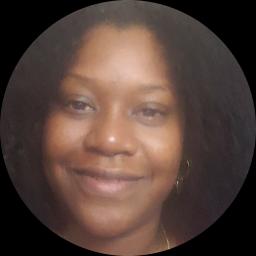
About Chavekka
Chavekka Edwards is a licensed mental health counselor in Florida who helps people facing family stress, trauma and abuse, anger, depression, anxiety, and related concerns such as codependency and parenting strain. She brings a calm, respectful presence and aims to tailor conversations and plans to each person's needs. Chavekka emphasizes compassion and clear, practical steps in early sessions to make starting therapy easier.
With eight years of experience as an LMHC, she draws from tools that fit the person rather than forcing one method. Sessions focus on building coping skills, improving communication, and unpacking patterns that keep problems repeating. She works at a steady pace and prioritizes safety and emotional pacing when trauma or strong emotions appear.
Chavekka uses client-centered approaches to create space for a client’s own goals. She also integrates cognitive behavioral ideas to identify unhelpful thinking and try new behaviors between sessions. Mindfulness techniques are offered to help calm the body and increase present-moment awareness.
She helps people manage big life changes, grief, work stress, and challenges like ADHD, bipolar symptoms, chronic illness, and caregiver fatigue. Additional interests include attachment and abandonment concerns, blended family dynamics, body image, and communication difficulties.
Beginning work involves a practical conversation about priorities and what the person hopes to change. Chavekka aims to make therapy a collaborative process focused on steady, usable progress.
How her approaches shape online work
Chavekka often uses client-centered therapy, which means she centers the conversation on what each person wants to work on and follows their pace. This approach helps when someone needs a safe space to sort out feelings and priorities.She also draws on cognitive behavioral therapy, which looks at how thoughts, feelings, and actions connect. CBT can be useful for managing anxiety, depression, and unhelpful patterns such as codependency by testing small behavior changes between sessions.
Finding the right approach is part of the process. She will talk with the client about goals and preferences, then try methods that fit those aims. Sessions are collaborative and adjusted as progress and needs become clearer.
Session formats are not specified in the biography, so confirm current session options before booking. Online work can make it easier to fit therapy into a busy life by removing travel time and allowing check-ins during breaks. It can also allow shorter or more frequent meetings when that helps with momentum or coping between appointments.
Areas of expertise
Primary focus
Also works with
Additional focus areas
Therapeutic approaches
Experience
8+ years
Credentials
Florida
Languages
English
Frequently asked questions
What kinds of problems does she help with?
She helps people with family conflict, trauma and abuse, anger, depression, anxiety, and codependency among other concerns.
What is her therapeutic style like?
Her style is respectful and person-focused, using calm listening and practical steps to address immediate problems and longer-term patterns.
How much clinical experience does she have?
She has eight years of professional experience working as a licensed mental health counselor in Florida.
What credentials and location are listed?
She is an LMHC licensed in Florida and practices from that state.
Which languages are supported for sessions?
Sessions are offered in English.
Can people from other countries work with her?
International clients are not currently accepted.
How are session costs handled?
Cost varies with location and therapist availability and sessions use a subscription that can be canceled at any time.
How do I begin working with her?
Select the Start Therapy button, complete a short matching questionnaire, and schedule according to therapist availability.
Profile details come from information the therapist supplied to BetterHelp. Credential and registration rules differ between the United States, the United Kingdom and Australia.