- Client-centered care
- Focus on family systems
- Practical coping tools
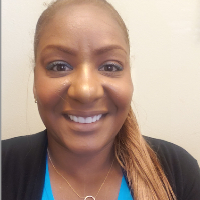
About Charlotte
Charlotte Watley is a licensed marriage and family therapist who helps people manage stress, anxiety, parenting challenges, and relationship concerns. She also works with issues like ADHD, grief, intimacy difficulties, and self-esteem. Charlotte communicates plainly and listens first to understand what is worrying someone right now.
With ten years of experience, Charlotte draws on family systems and depth-oriented ideas to help people see how relationships shape their choices. Sessions focus on understanding patterns, naming painful dynamics, and trying small changes that fit daily life. She uses straight talk and practical steps alongside reflective conversation.
Her style blends client-centered listening with tools from cognitive behavioral therapy and dialectical behavior therapy. Motivational interviewing helps when someone wants to make a change but feels stuck. Jungian-informed ideas are used to explore deeper personal meaning when that feels useful.
Many people come for help with communication problems, codependency, blended family issues, or challenges after infidelity. Others seek support for anger, body image, commitment worries, or the stress of life transitions. Charlotte aims to tailor sessions to each person’s goals and pace.
Clients based in Nevada will find a therapist who emphasizes collaboration and clear next steps. To begin, a short questionnaire and a scheduling step are used to match needs and set up the first meeting.
How these approaches guide online work
Client-Centered Therapy focuses on listening and responding to what each person says. It helps people feel heard and clarifies their priorities so they can decide what to change. Cognitive Behavioral Therapy, or CBT, looks at the link between thoughts, feelings, and actions and offers practical exercises to shift unhelpful patterns.Finding the right mix of approaches is part of the work. Charlotte will collaborate with each client to choose methods that match goals and preferences. That may mean starting with listening, trying CBT exercises for a while, and adding DBT skills if emotion regulation becomes important.
If you are considering online sessions, confirm the current session options before booking. Online work can make it easier to fit therapy into a busy life, shorten check-ins between in-person visits, or allow a calmer start for people who prefer not to travel. Licensed professionals often adapt exercises, homework, and communication to the format you choose so therapy stays practical and goal-oriented.
Areas of expertise
Primary focus
Also works with
Additional focus areas
Therapeutic approaches
Experience
10+ years
Credentials
Nevada
Languages
English
Frequently asked questions
What concerns does Charlotte commonly address?
She supports people with stress, anxiety, parenting and family-related concerns, along with ADHD, grief, intimacy issues, and codependency.
How would you describe her therapeutic style?
She begins by listening closely and then blends reflective conversation with practical tools. Sessions aim to identify patterns and try manageable changes.
What background and experience does she bring?
Charlotte has practiced since 2010 and has about 10 years of clinical experience working from family systems and depth perspectives.
What credentials does she hold and where is she based?
She is an LMFT - Licensed Marriage and Family Therapist - and is located in Nevada.
Which languages are sessions offered in?
Sessions are offered in English.
Are international clients supported?
International clients are not currently accepted.
How are fees handled for sessions?
Cost varies with location and therapist availability, and sessions use a subscription that can be canceled at any time.
What steps are required to start working together?
Select the Start Therapy button, complete a short matching questionnaire, and schedule according to the therapist's availability.
Profile details come from information the therapist supplied to BetterHelp. Credential and registration rules differ between the United States, the United Kingdom and Australia.