- Person-centered
- Mindfulness informed
- Relationship focus
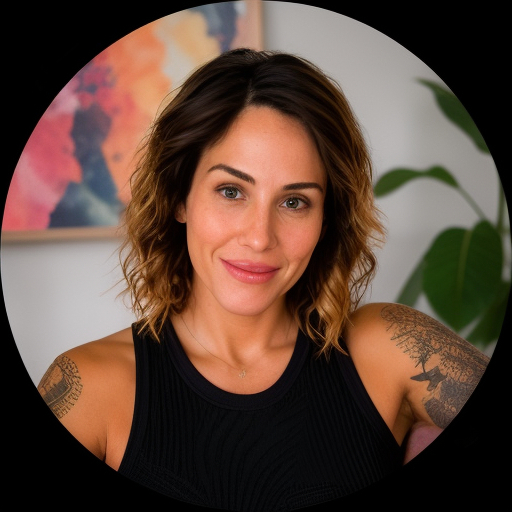
About Chanin
Chanin Santini is a licensed clinical social worker who helps people facing relationship and personal struggles. She works with individuals on intimacy, communication, and navigating sexual identity and desires. Her tone is warm and direct, aimed at people who want clear support and practical steps.
She focuses on everyday problems that pile up - stress, anxiety, low self-esteem, addiction, and codependency. Chanin also supports those dealing with trauma, grief, or big life changes like separation and fertility challenges. She provides affirming care for LGBT clients and people exploring kink, BDSM, and alternative sexual cultures.
In sessions she uses straightforward, person-centered methods. Conversations look at patterns in thinking and behavior, skills for handling intense emotions, and rebuilding trust in relationships. Practical tools are mixed with attention to each person’s history and values.
With 15 years of experience, Chanin brings clinical knowledge and a calm presence. She holds an LCSW credential and practices in California. Her background includes work with people facing first-responder stress, cancer-related issues, and complicated family dynamics.
People who meet with her can expect collaborative goal-setting and a focus on usable strategies. She often blends mindfulness, cognitive-behavioral ideas, and relational techniques to help people make steady progress. If you want help sorting through emotions and improving connections, she offers grounded, respectful care.
Approaches that guide online sessions
Client-Centered Therapy emphasizes the person's own goals and experience, giving them space to talk while the therapist follows their lead and reflects what matters most. This approach helps when someone needs acceptance and clarity about their feelings. Cognitive Behavioral Therapy, or CBT, looks at how thoughts, feelings, and actions connect and teaches practical steps to change unhelpful patterns; it is useful for anxiety, depression, and codependency habits.Finding the right approach is a collaborative process. The therapist will work with each person to identify what feels helpful, combining methods when that better fits the goals and preferences of the client. This means plans are adjusted over time as progress and needs become clearer.
Confirm the current session options before booking so you know what formats are offered. Online therapy can make it easier to fit meetings into a workday, reduce travel time, and allow shorter check-ins when schedules are tight. It also lets people continue care if they move within the state or need flexible timing. Licensed professionals can tailor pacing, homework, and skill practice to suit an online setting, keeping the focus on useful steps for everyday life.
Areas of expertise
Primary focus
Also works with
Additional focus areas
Therapeutic approaches
Experience
15+ years
Credentials
California, Pennsylvania
Languages
English
Frequently asked questions
What kinds of concerns does Chanin address?
She works with intimacy issues, stress, anxiety, addictions, relationship concerns, trauma and abuse, self-esteem, depression, and codependency among other areas.
What is her therapeutic style like?
Her style is client-centered and practical, mixing conversational support with skill-building from cognitive-behavioral and mindfulness approaches.
How much experience does she have?
She has 15 years of clinical experience working with a range of emotional and relationship challenges.
What are her credentials and where does she practice?
She is an LCSW and practices in California with licensure noted as CA LCSW and PA LCSW.
Which languages are supported for sessions?
Sessions are offered in English.
Can people outside the U.S. work with her?
She does not accept international clients at this time.
How are sessions priced?
Cost varies with location and therapist availability; sessions use a subscription that can be canceled at any time.
How do I start working with her?
Select the Start Therapy button, complete a short matching questionnaire, and schedule sessions according to the therapist's availability.
Profile details come from information the therapist supplied to BetterHelp. Credential and registration rules differ between the United States, the United Kingdom and Australia.