- Client-centered care
- Goal-focused help
- Warm and direct
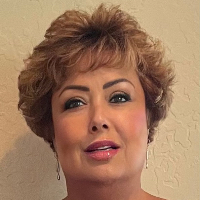
About Catherine
Catherine (Cathy) Groh is a Licensed Clinical Social Worker who helps people facing stress, anxiety, depression, grief, and relationship concerns. She also works with issues like codependency, trauma and abuse, addiction, eating and sleeping problems, anger, and low self-esteem. Cathy speaks plainly and offers a steady, respectful presence for people navigating hard times.
She practices a warm, interactive style that centers the person in the room. Cathy uses a client-centered approach so the client guides the pace and focus while she provides support and direction. Motivational Interviewing and Solution-Focused Therapy are part of her toolbox when people want practical steps and clearer goals.
Over ten years as an LCSW in California has given her experience with a wide range of life challenges. She has worked with people dealing with family issues, abandonment and attachment struggles, blended family matters, infidelity, and compassion fatigue. Cathy also supports those coping with career shifts and major life changes.
In sessions she aims to listen first, then help identify simple next steps. Conversations often focus on small, doable changes that add up over time. She encourages realistic goals and checks in about what is working and what needs adjusting.
Her approach is respectful and nonjudgmental. Cathy invites questions and keeps the work collaborative, helping people build skills to manage emotions and improve relationships.
How Cathy Uses Client-Focused and Goal-Oriented Methods Online
Cathy draws on Client-Centered Therapy to keep the session focused on what matters to each person. This approach means the client sets the pace and topics while Cathy listens, reflects, and helps clarify feelings and priorities.She also uses Motivational Interviewing to help people move through ambivalence. That method involves asking open questions, highlighting strengths, and helping someone find their own reasons for change. It can be useful for addictions, codependency, and motivation around lifestyle shifts.
Solution-Focused Therapy is another element of her work when clients want concrete steps. This approach looks for small, practical changes and builds on what is already working to reach short-term goals.
Finding the right approach is collaborative. Cathy will talk with clients about goals and preferences and adapt methods as the work progresses. She helps people decide what feels most useful and adjusts plans together.
The specific session formats Cathy currently offers are not listed here, so please confirm current options before booking. Online therapy can make it easier to fit sessions into busy lives by removing travel time and allowing more flexible scheduling. It can also make shorter check-ins or focused goal sessions easier to arrange when needed.
Areas of expertise
Primary focus
Also works with
Additional focus areas
Therapeutic approaches
Experience
10+ years
Credentials
California
Languages
English
Frequently asked questions
What concerns does she address?
Cathy supports people with stress, anxiety, depression, grief, relationship issues, trauma and abuse, codependency, addictions, eating and sleeping problems, anger, self-esteem, and related challenges.
How would you describe her therapeutic style?
She works in a warm, interactive way that centers the person. Sessions are guided by the client's needs while she offers support and practical suggestions.
What experience does she bring?
She holds a Licensed Clinical Social Worker credential and has ten years of experience practicing in California.
Where is she licensed and based?
She is an LCSW licensed in California and practices there.
Which languages are available for sessions?
Sessions are offered in English.
Can people outside the United States work with her?
She does not accept international clients at this time.
How are fees and payment structured?
Cost varies with location and therapist availability; sessions use a subscription that can be canceled at any time.
What are the first steps to begin therapy?
Start by selecting the Start Therapy button, complete a short matching questionnaire, and schedule according to therapist availability.
Profile details come from information the therapist supplied to BetterHelp. Credential and registration rules differ between the United States, the United Kingdom and Australia.