- Direct and caring
- Practical strategies
- Focus on relationships
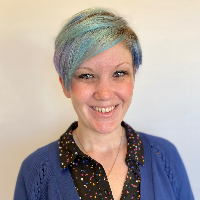
About Cassandra
Cassandra Aamodt is a licensed clinical social worker who focuses on helping people navigate stress, anxiety, depression, trauma, and relationship struggles. She uses an open, straightforward style to build a working connection and help clients make practical changes.
Cassandra draws on Client-Centered methods to create a respectful, nonjudgmental space. She also uses Cognitive Behavioral Therapy to identify unhelpful thinking and Dialectical Behavior Therapy skills to manage strong emotions. Mindfulness and motivational interviewing are woven in to support motivation and present-moment focus.
Her background includes three years as an LCSW in Connecticut. She has worked with people facing substance use concerns, grief, parenting challenges, identity and gender questions, and complex family patterns. Codependency and family of origin issues are among the topics she helps people address.
In sessions she is direct but caring, and she aims to walk alongside people as they learn about their patterns and options. Conversations tend to be practical and paced to each person’s needs. Cassandra helps clients try new ways of coping, communicate more clearly, and set boundaries.
People who reach out can expect clear feedback and collaborative planning. Cassandra invites honest talk about what is and isn’t working. She helps people set short-term goals and notice small changes that add up over time.
How her approaches translate to online work
Cognitive Behavioral Therapy helps people notice thoughts and behaviors that keep them stuck and then test new ways of thinking and acting. It is useful for anxiety, depression, and problems with motivation. Client-Centered Therapy focuses on respectful listening and collaboration so people feel heard and can explore their goals. Dialectical Behavior Therapy offers practical skills for regulating emotions, tolerating distress, and improving interactions. Finding the right mix of approaches is part of the process. Cassandra works together with each person to pick methods that match their needs, goals, and preferences. She adjusts pacing and techniques as the work progresses so the plan stays useful and realistic. If you are considering online therapy, confirm the session formats she currently offers before booking. Online work can make it easier to fit therapy into a busy life, shorten commute time, and allow check-ins during evenings or weekends. Some formats may involve video, phone, or messaging; check what is available and choose what best fits your schedule and comfort.Areas of expertise
Primary focus
Also works with
Additional focus areas
Therapeutic approaches
Experience
3+ years
Credentials
Connecticut
Languages
English
Frequently asked questions
What issues does Cassandra commonly address?
She works with stress, anxiety, depression, trauma, grief, addictions, relationship and intimacy concerns, and related issues like codependency.
What is her therapy style like?
Her approach is straightforward and nonjudgmental. Sessions combine listening with practical feedback and skills practice.
What experience does she bring?
She has three years of experience as a licensed clinical social worker and has supported people with substance use, parenting, and identity-related concerns.
Where is she licensed and based?
She holds an LCSW credential and practices in Connecticut.
Can I work with her if I live outside the U.S.?
She does not accept international clients and conducts sessions in English.
What session formats are available?
Confirm current session options before booking to know which formats she is offering at the time.
How are fees handled?
Costs vary with location and therapist availability; sessions use a subscription that can be canceled at any time.
How do I begin working with her?
Select the Start Therapy button, complete a short matching questionnaire, and schedule according to the therapist's availability.
Profile details come from information the therapist supplied to BetterHelp. Credential and registration rules differ between the United States, the United Kingdom and Australia.