- Client-centered care
- CBT strategies
- Relational focus
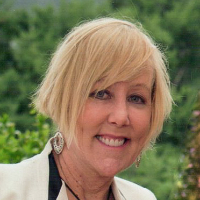
About Carol
Dr. Carol Schmidt helps people facing stress, anxiety, grief, relationship strain, and family conflict. She also supports those coping with depression, life changes, parenting challenges, and issues around intimacy and self-esteem. Her practice includes attention to codependency and other patterns that get in the way of healthy connections.
She is a Licensed Clinical Social Worker (LCSW) with ten years of clinical experience in California. Sessions focus on clear, practical steps alongside gentle reflection. Carol uses straightforward talk, listening, and questions to help people name problems and try small changes that make daily life easier.
Her work draws on client-centered listening, cognitive behavioral techniques, and psychodynamic ideas. That means she pays attention to what you bring today, helps you test different ways of thinking and acting, and looks at patterns from the past that affect current choices. She keeps language simple and concrete so progress feels understandable.
People can expect a collaborative pace. Goals are set together and reviewed as therapy continues. Carol aims to help people build coping skills, reduce distress, and strengthen relationships in ways that fit their everyday routines.
If you want a therapist who balances practical tools with reflective conversation, she offers that mix and helps tailor it to your needs. Before booking, confirm the current session options to make sure they fit your schedule.
Therapeutic approaches and online care that fit your life
Client-centered therapy focuses on listening, acceptance, and meeting people where they are. It helps when someone needs a trusting space to talk through feelings and make choices at their own pace.Cognitive Behavioral Therapy, or CBT, looks at how thoughts and behaviors interact. It uses short exercises and practical experiments to reduce anxiety, manage mood, and change unhelpful patterns.
Finding the right approach is part of the work. The therapist will collaborate with the client to test methods and decide what feels most useful. Goals and techniques are adjusted over time based on what actually helps.
Online therapy can make it easier to fit sessions into a busy life, such as avoiding travel or scheduling around work and family responsibilities. Session options are not listed here, so please confirm current session formats before booking. Licensed professionals can use online sessions to deliver the same mix of listening, CBT exercises, and reflective conversation that they use in person, helping clients practice new skills between meetings and track progress over time.
Areas of expertise
Primary focus
Also works with
Additional focus areas
Therapeutic approaches
Experience
10+ years
Credentials
California
Languages
English
Frequently asked questions
What problems does Carol commonly help with?
She works with people facing stress, anxiety, depression, grief, relationship and family concerns, codependency, life transitions, and related issues like ADHD and mood disorders.
How would you describe her therapy style?
Her approach is collaborative and practical. She blends listening and reflection with hands-on techniques to test new thinking and behaviors.
What kind of background does she bring?
Carol has ten years of clinical experience and combines reflective work with strategy-based interventions to help people make concrete changes.
Where is she licensed and based?
She is a Licensed Clinical Social Worker with a California LCSW and practices in California.
Which languages are supported for sessions?
Sessions are offered in English.
Can people outside the U.S. work with her?
International clients are not currently accepted.
How are fees and payments handled?
Cost varies with location and therapist availability, and sessions use a subscription that can be canceled at any time.
What are the first steps to begin therapy?
Click the Start Therapy button, fill out a short matching questionnaire, and schedule according to the therapist's availability.
Profile details come from information the therapist supplied to BetterHelp. Credential and registration rules differ between the United States, the United Kingdom and Australia.