- Solution oriented
- Values driven
- Skill focused
About Brooks
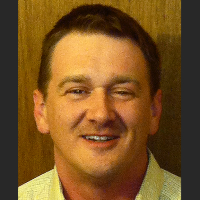
Brooks Johnson is a Licensed Mental Health Counselor (LMHC) practicing in Florida with 27 years of experience. He begins from the belief that people have purpose and can move toward a more balanced life. He offers a steady, listening presence and practical guidance to help people find clearer direction.
Brooks uses a mix of approaches rather than a single method. He draws on cognitive-behavioral ideas, existential thinking, mindfulness, solution-focused techniques, and trauma-focused work to match what a person needs. He also integrates neuropsychotherapy principles and will include spiritual topics when clients want that addressed.
His style is straightforward and reflective. He often acts as a mirror to help people see patterns in thinking and behavior. Sessions typically focus on small, achievable steps and on skills people can use between meetings to manage stress, mood, and relationships.
Brooks has worked with a wide range of concerns including anxiety, depression, bipolar issues, addictions, trauma and abuse, grief, ADHD, and relationship and intimacy-related difficulties. He also supports people coping with life changes, caregiving strain, aging issues, codependency, and questions of life purpose.
Clients can expect a collaborative pace where the therapist and client decide practical next steps together. He balances formal training with lessons learned from long clinical experience to tailor the work to each person's needs.
Approaches that translate well to online work
Brooks commonly uses Cognitive Behavioral Therapy and Mindfulness Therapy in his work. CBT focuses on identifying unhelpful thought patterns and testing new behaviors to reduce symptoms like anxiety and depression. Mindfulness Therapy teaches simple attention and breathing practices to help manage stress and increase present-moment awareness.Finding the right approach is part of the process. Brooks will work with each person to decide which methods fit their needs, goals, and preferences. He views therapy as a team effort where technique and timing are adapted as progress is made.
Confirm the current online session options before booking, as specific formats are not listed here. Online therapy can make it easier to fit sessions into a busy life, allow for shorter check-ins when needed, and reduce travel time. It also lets people practice skills between sessions in the settings where they live and work, so therapy can feel more immediately relevant.
Areas of expertise
Primary focus
Also works with
Additional focus areas
Therapeutic approaches
Experience
27+ years
Credentials
Florida
Languages
English
Frequently asked questions
What kinds of concerns does this therapist address?
Brooks works with many issues including stress, anxiety, depression, bipolar concerns, addictions, trauma and abuse, grief, ADHD, relationship and intimacy-related issues, and life purpose questions.
How would you describe the therapeutic style here?
The approach is practical and collaborative, blending direct skills work with reflective conversations. Sessions often focus on small steps and concrete tools to manage mood and relationships.
What is Brooks's background and experience?
He has 27 years of clinical experience and combines formal education with lessons from long practice to shape how he works with people.
What credentials and region should I know about?
He is a Licensed Mental Health Counselor, FL LMHC, practicing in Florida.
Which languages are available for sessions?
Sessions are offered in English.
Can international clients work with this therapist?
International clients are not currently accepted.
How are fees and billing handled?
Costs vary with location and therapist availability; sessions use a subscription that can be canceled at any time.
How do I begin if I want to work together?
Use the Start Therapy button, complete a short matching questionnaire, and schedule a session according to the therapist's availability.
Profile details come from information the therapist supplied to BetterHelp. Credential and registration rules differ between the United States, the United Kingdom and Australia.