- Direct and compassionate
- Practical steps
- Focus on recovery
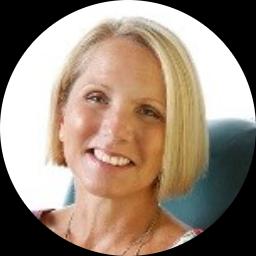
About Bridget
Bridget Locke is a Florida-based licensed clinical social worker (LCSW) with 22 years of experience. She focuses on everyday problems like anxiety, stress, depression, low self-esteem, and addiction. Bridget aims to make the first step feel manageable and supportive rather than overwhelming.
Her work centers on creating an open, judgment-free space where people can talk about what’s hard. Sessions are practical and straightforward. She listens, helps identify patterns, and works with clients to set steps they can try between meetings.
Bridget often helps people untangle relationship-driven problems such as codependency and abandonment concerns. She also supports those facing body image struggles, process addictions, and issues around alcohol or drugs. Conversations can include how behavior, thinking, and daily routines feed into these struggles.
Over two decades in practice has given her experience across a wide range of emotional and behavioral concerns. She draws on evidence-based therapeutic techniques to guide sessions and tailors work to each person’s needs and pace.
People who prefer direct, compassionate guidance tend to fit well with her style. Bridget encourages small, achievable changes and checks in about what works. Her goal is to help people build skills and confidence to manage stress and move toward more satisfying daily life.
How evidence-based approaches fit into online therapy
Bridget uses evidence-based therapeutic techniques that focus on changing unhelpful thinking and behavior. This kind of approach helps people recognize patterns that fuel anxiety, depression, or addictive behaviors, and then practice different responses in daily life.She also works with skill-building strategies that teach coping tools for stress, cravings, and low self-esteem. These skills are practical actions and short exercises clients can try between sessions to see what helps most.
Finding the right approach is a collaborative process. Bridget will talk with each person about goals and preferences, then adapt techniques to match what feels useful. The plan evolves as progress is made and as new challenges come up.
Session formats are not specified in the biography, so confirm available options before booking. Online therapy can make it easier to fit meetings into a busy day, reduce travel time, and allow for shorter check-ins when needed. It also lets people continue work on habits and coping skills in a way that fits their everyday routine.
Areas of expertise
Primary focus
Additional focus areas
Experience
22+ years
Credentials
Florida
Languages
English
Frequently asked questions
What kinds of problems does Bridget address?
She helps with stress, anxiety, depression, self-esteem, and addictions. Additional areas include codependency, body image, social anxiety, and related concerns.
How would you describe the therapy style?
The approach is open and nonjudgmental with practical, concrete steps. Sessions focus on identifying patterns and testing small changes between meetings.
What is her professional background?
Bridget has worked as a licensed clinical social worker for 22 years. That experience includes supporting people through addiction and mood-related concerns.
Where is Bridget licensed and based?
She holds the LCSW credential in Florida and practices out of that state.
Can I see her if I live outside the United States?
Sessions are offered in English and international clients are not currently accepted.
What session formats are available?
The original biography does not list specific session formats. Please confirm current session options before booking.
How are fees handled?
Cost varies with location and therapist availability; sessions use a subscription that can be canceled at any time.
How do I begin working with her?
Use the Start Therapy button, complete a short matching questionnaire, and schedule according to therapist availability.
Profile details come from information the therapist supplied to BetterHelp. Credential and registration rules differ between the United States, the United Kingdom and Australia.