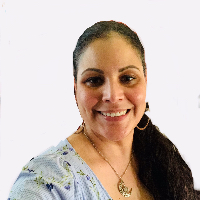
- Warm and interactive
- Skills focused
- Trauma informed
About Brenda
Brenda Wicks is a Licensed Marriage and Family Therapist (LMFT) in California who helps people facing stress, anxiety, codependency, grief, depression, addiction, and relationship challenges. She brings 23 years of clinical experience to her work and speaks English. Brenda emphasizes a warm, interactive style to help clients feel heard and respected.
Her approach is practical and straightforward. Sessions focus on identifying what is most troubling and testing small changes that make daily life easier. She draws on client-centered listening to follow each person’s pace and priorities while using concrete tools from cognitive behavioral therapy and dialectical behavior therapy to change unhelpful patterns.
Brenda has a long history supporting people who have lived through trauma and difficult life events. She also works with caregivers, parents, and people managing mood disorders, ADHD, or substance use concerns. Her experience includes aiding clients who face abandonment and attachment issues, blended-family stress, and forgiveness work.
Therapy with Brenda is collaborative. She helps clients set realistic goals and checks in regularly to see what’s working. Conversations include skill practice, problem-solving, and emotion regulation strategies that can be used between sessions.
People who choose Brenda often want clear steps and a compassionate listener. If someone is ready to start, she guides them through a short matching questionnaire and scheduling process to set up the first appointment.
How therapeutic approaches translate to online work
Client-centered therapy focuses on listening and following the person's agenda. The therapist creates space for people to speak about what matters most and helps them gain clarity and direction, which often fits well into online sessions where conversation is the main tool.Cognitive Behavioral Therapy (CBT) offers concrete strategies to change thoughts and behaviors that cause distress. In practice this means setting small goals, doing brief experiments between sessions, and working on specific skills for anxiety, mood, or codependency-related patterns.
Dialectical Behavior Therapy (DBT) contributes practical emotion regulation and distress tolerance skills that help when feelings feel overwhelming. Those skills can be taught in short stretches and practiced in daily life, making them useful whether sessions are in person or online.
Finding the right approach is part of the work. The therapist will talk with each person about goals, preferences, and what feels most helpful. Together they pick or adapt methods so the plan fits the client’s life and aims.
Session formats are not detailed in the biography, so confirm current session options before booking. Many people find online sessions help fit therapy into busy schedules, allow shorter check-ins when needed, and reduce travel time so it’s easier to keep appointments.
Areas of expertise
Primary focus
Also works with
Additional focus areas
Therapeutic approaches
Experience
23+ years
Credentials
California
Languages
English
Frequently asked questions
What kinds of problems does Brenda help with?
She supports people dealing with stress, anxiety, depression, grief, addictions, relationship strain, codependency, and related concerns such as parenting and career stress.
What is her therapy style like?
Her style is warm, supportive, and interactive. Sessions combine listening with practical skill-building and clear steps to address everyday problems.
How much experience does she have?
Brenda has 23 years of experience working in varied mental health settings and with people facing trauma, mood concerns, and family stressors.
What are her credentials and location?
She is a Licensed Marriage and Family Therapist (LMFT) licensed in California and practices in that state.
Which languages are supported?
Sessions are offered in English.
Can international clients work with her?
She does not accept international clients at this time.
How are fees and payment handled?
Cost varies with location and therapist availability; sessions use a subscription that can be canceled at any time.
How do I begin therapy with Brenda?
Start by selecting the Start Therapy button, completing a short matching questionnaire, and then scheduling according to the therapist's availability.
Profile details come from information the therapist supplied to BetterHelp. Credential and registration rules differ between the United States, the United Kingdom and Australia.