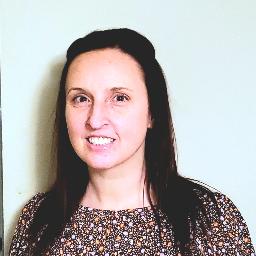
- Client-centered focus
- Skill-based strategies
- Goal oriented
About Anne
Anne Petti is a Licensed Clinical Social Worker (LCSW) based in New York. She uses a client-centered approach to help people manage stress, anxiety, addiction concerns, and mood symptoms. Her style is straightforward and collaborative, aimed at helping each person meet realistic goals.
She draws on several practical methods in session. Cognitive Behavioral Therapy (CBT) helps people spot unhelpful thoughts and change behavior. Dialectical Behavior Therapy (DBT) offers skills for managing strong emotions and improving relationships. Motivational Interviewing supports people who are ready to make changes related to substance use or other patterns.
Anne has seven years of clinical experience working with people facing trauma, depression, bipolar mood concerns, personality disorders, and self-harm behaviors. She also helps with codependency, grief, intimacy challenges, and problems with sleep or eating. Sessions emphasize clear steps, coping skills, and decisions that fit the person’s life.
Her work combines coaching and therapy. She partners with people to set goals and try practical strategies between sessions. Progress is tracked in simple ways so goals can be adjusted as needed.
People who choose her often want direct guidance and tools they can use right away. To begin, Anne asks about current needs and personal goals so treatment matches what matters most.
How Anne’s Methods Translate to Online Therapy
Client-Centered Therapy focuses on what matters to the person and builds sessions around their goals. It involves listening closely, reflecting concerns back, and shaping the work to fit daily life. Cognitive Behavioral Therapy (CBT) helps people notice thought patterns and try small behavior experiments to reduce anxiety or depression. It often uses homework like thought records or activity planning. Dialectical Behavior Therapy (DBT) teaches practical skills for emotion regulation, distress tolerance, and improving communication, which can help with intense mood swings and relationship stress.Finding the right approach is part of the therapy process. Anne will collaborate with each person to choose methods that match their needs and preferences. She checks in about what is working and adjusts the plan as progress is made.
Session formats are not detailed in the original biography, so confirm current options before booking. Online therapy can make it easier to fit sessions into a busy week, allow shorter check-ins when time is tight, and reduce travel time. It also lets people use teaching tools, worksheets, and skill practice during or between sessions to keep momentum toward their goals.
Areas of expertise
Primary focus
Also works with
Additional focus areas
Therapeutic approaches
Experience
7+ years
Credentials
New York
Languages
English
Frequently asked questions
What concerns does Anne commonly address?
She works with stress, anxiety, addictions, trauma and abuse, depression, grief, and relationship or intimacy-related issues, among other concerns.
What is her therapeutic style like?
Her approach is client-centered and collaborative, using clear goals and practical techniques to help people make changes.
What background and experience does she have?
Anne holds an LCSW and has seven years of clinical experience working with mood disorders, trauma, substance concerns, and related issues.
Where is she licensed and based?
She is a Licensed Clinical Social Worker (LCSW) licensed in New York and practices from that region.
Which languages are offered for sessions?
Sessions are offered in English.
Can international clients work with her?
She does not accept international clients at this time.
How are costs and billing handled?
Cost varies with location and therapist availability; sessions use a subscription that can be canceled at any time.
How do I begin working with her?
Select the Start Therapy button, complete a short matching questionnaire, and schedule according to therapist availability.
Profile details come from information the therapist supplied to BetterHelp. Credential and registration rules differ between the United States, the United Kingdom and Australia.