- Solution oriented
- Relationship help
- 20 years experience
About Angela
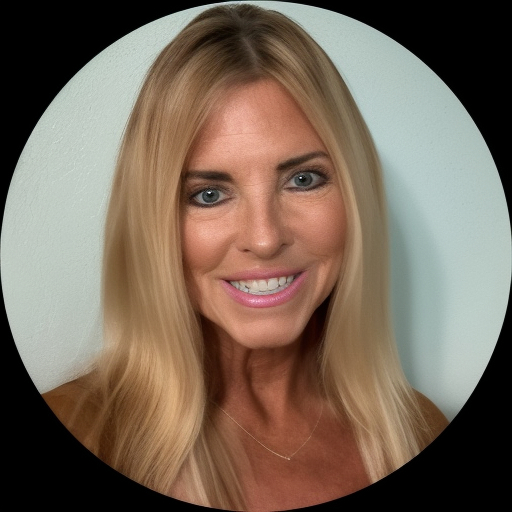
Angela Diehl is a Licensed Marriage and Family Therapist (LMFT) based in Texas with 20 years of experience. She meets people where they are and helps them find practical steps toward a more satisfying life. She speaks plainly and aims to make the first steps into therapy feel manageable.
Angela uses a solution-oriented style alongside familiar approaches like client-centered work and cognitive behavioral techniques. In sessions she focuses on what matters most now - problems like anxiety, depression, grief, codependency, substance concerns, relationship strain, and parenting stress. She also addresses issues such as ADHD, anger, body image, and life transitions.
Her training includes a Bachelor of Arts in Psychology and Sociology from Oklahoma Baptist University and a Master of Science in Marriage and Family Therapy from Texas Woman's University. Angela draws on that training to blend different ways of working so sessions fit each person's needs. She often pairs goal-focused tools with conversations about patterns that keep people stuck.
Therapy sessions are practical and collaborative. Angela helps clients set clear, reachable goals and reviews progress as therapy continues. She aims to teach skills that can be used between sessions while also making room to talk about painful events and relationship hurts.
People who choose her can expect steady, down-to-earth guidance and a focus on small changes that add up. To start, clients complete a short matching questionnaire and schedule sessions based on availability.
How therapy approaches translate to online work
Client-Centered Therapy focuses on listening and supporting each person so they can find their own solutions; it helps when someone needs a calm space to talk through feelings and make decisions. Cognitive Behavioral Therapy (CBT) uses hands-on tools and step-by-step exercises to change unhelpful thinking and behavior, which is useful for anxiety, depression, and habit change. The Gottman Method offers structured ways to improve communication and manage conflict in relationships by teaching specific skills couples can practice between sessions.Choosing the right approach is a collaborative process. The therapist will discuss a client's goals, preferences, and patterns, then try approaches that fit. Goals and methods can be adjusted over time based on what is working for the person or couple.
Confirm current session options before booking so you know how sessions are offered. Online work can make it easier to fit therapy into a busy week, reduce travel time, and allow shorter check-ins when needed. It also lets people use tools and worksheets during sessions and practice skills in day-to-day life with support from their therapist.
Areas of expertise
Primary focus
Also works with
Additional focus areas
Therapeutic approaches
Experience
20+ years
Credentials
Texas, Utah, Arizona, Nevada
Languages
English
Frequently asked questions
What kinds of problems does Angela address?
She works with stress, anxiety, depression, grief, codependency, addictions, relationship and intimacy issues, parenting concerns, ADHD, and related life changes.
What is Angela's therapeutic style?
Her work is solution-oriented and client-centered, often using cognitive behavioral tools to set goals and build practical skills.
How much experience does she have?
Angela has 20 years of experience as a clinician working with individuals, couples, and family concerns.
What are her credentials and location?
She is a Licensed Marriage and Family Therapist (LMFT) licensed in Nevada and Arizona and practices from Texas.
Which languages are offered for sessions?
Sessions are offered in English.
Does she work with international clients?
International clients are not currently accepted.
How are sessions paid for and what do they cost?
Costs vary with location and therapist availability; sessions use a subscription that can be canceled at any time.
How do I begin therapy with Angela?
Select the Start Therapy button, complete a short matching questionnaire, and schedule sessions according to therapist availability.
Profile details come from information the therapist supplied to BetterHelp. Credential and registration rules differ between the United States, the United Kingdom and Australia.