- Client-centered
- Evidence informed
- Goal focused
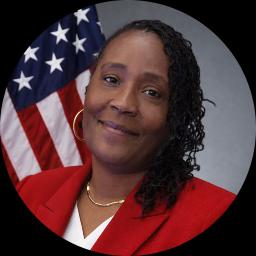
About Aleisa
Aleisa Keels Wilson is a Licensed Clinical Social Worker (LCSW) with 25 years of experience providing psychotherapy. She offers a warm, interactive style and focuses on practical steps to reduce stress and manage emotions. She works with people facing anxiety, depression, addiction, relationship concerns, parenting strains, and codependency-related problems.
Her background includes long-term work with clients dealing with trauma, verbal and physical abuse, and co-occurring substance use issues. She has practiced in North Carolina and previously in Florida and brings experience across many life-stage challenges such as career changes, grief, and compassion fatigue.
In sessions she blends Client-Centered Therapy with Cognitive Behavioral Therapy and Motivational Interviewing. That means conversations are guided by the client’s goals, while also identifying unhelpful thinking patterns and building small, doable changes. She adapts the plan to each person rather than using a one-size-fits-all method.
People can expect direct yet respectful dialogue that focuses on immediate problems and longer-term patterns. Sessions may include skills practice, behavioral experiments, and goal setting. The work is practical and paced to what the client needs at the moment.
Her approach emphasizes dignity and collaboration. She encourages people to take steps toward a more balanced life and offers support through transitions such as divorce, recovery from addiction, or coping with loss.
How her approaches guide online work
Client-Centered Therapy focuses on listening and responding to each person as an individual. The therapist follows the client’s pace, reflects what matters most, and helps people name their goals and priorities. Cognitive Behavioral Therapy looks at thoughts and behaviors that keep problems going. It uses simple tools such as tracking thoughts, testing beliefs, and practicing new actions to reduce anxiety, manage mood, or change addictive habits.Finding the right approach is part of the work. The therapist will discuss goals, preferences, and daily life to choose which methods to use. That decision is collaborative and may shift as needs change during therapy.
If you plan to work online, confirm the session options before booking. Online work can make it easier to fit therapy around work or family duties, reduce travel time, and allow follow-up between in-person visits when used. It can also make brief check-ins, skill practice, and homework review simpler to schedule. Ask about available formats when you start the matching process so sessions fit your routine and technology needs.
Areas of expertise
Primary focus
Also works with
Additional focus areas
Therapeutic approaches
Experience
25+ years
Credentials
North Carolina, Florida
Languages
English
Frequently asked questions
What concerns does she commonly address?
She helps with stress, anxiety, depression, addictions, relationship and family issues, grief, trauma and many related concerns including codependency and caregiver stress.
How would you describe her therapy style?
Her style is warm and interactive, combining client-centered conversation with practical strategies from cognitive behavioral and solution-focused approaches.
What experience does she bring to sessions?
She has 25 years of psychotherapy experience working with people facing trauma, substance use, mood concerns, and life transitions.
Where is she based and what are her credentials?
She practices in North Carolina and holds the credential LCSW, with prior practice experience in Florida as noted in her background.
In what languages are sessions offered?
Sessions are offered in English.
Can international clients work with her?
She does not accept international clients at this time.
How is cost handled for sessions?
Cost varies with location and therapist availability; sessions use a subscription that can be canceled at any time.
What are the first steps to begin therapy?
Click the Start Therapy button, complete a short matching questionnaire, and then schedule according to therapist availability.
Profile details come from information the therapist supplied to BetterHelp. Credential and registration rules differ between the United States, the United Kingdom and Australia.